

New York’s energy runs fast, but Thai massage offers a counterpoint: slow, deliberate, and precisely tuned to loosen shoulder knots, reset posture, and restore mobility. Whether you’re a local juggling commutes and deadlines or a visitor curious about traditional Asian bodywork, this guide explains how Thai massage in New York works, what to look for, and how to get the most from a session.
You’ll find everything here—the history behind the technique, how a session typically unfolds, practical tips for etiquette and booking, and a neighborhood-by-neighborhood look at where to go. Read on and you’ll be equipped to choose a therapist who matches your needs, whether you want restorative stretching, deep pressure, or a spa-day hybrid.
What is Thai massage and how does it differ from other bodywork?
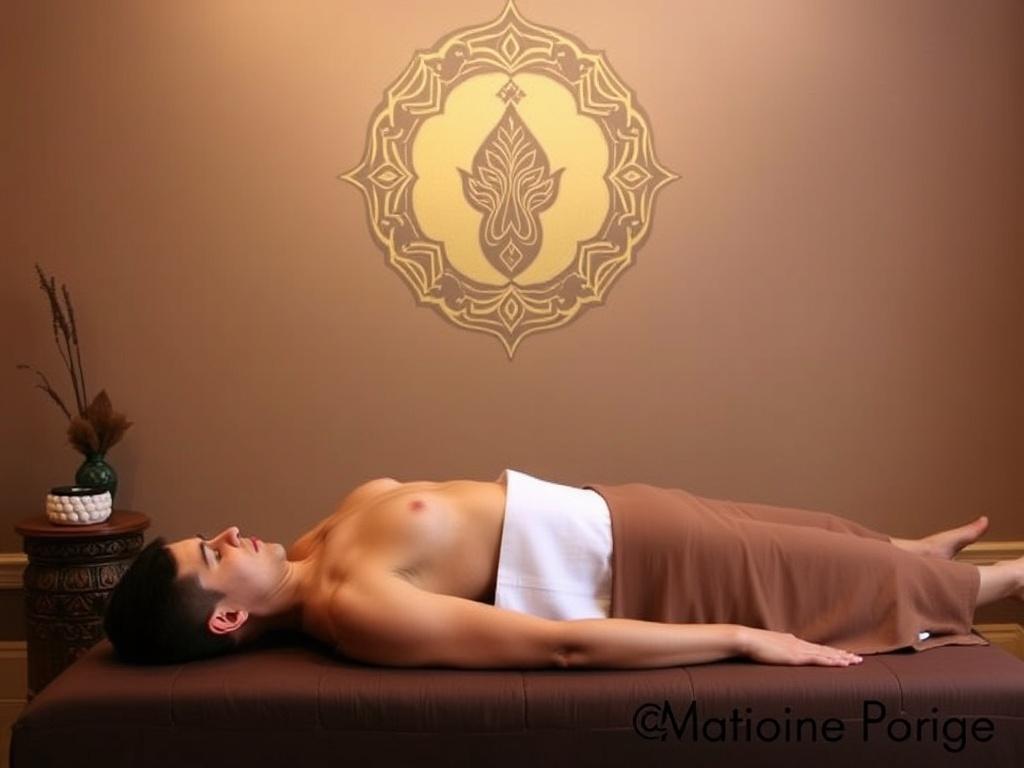
Thai massage, sometimes called Nuad Thai or Thai yoga massage, is a hands-on system combining acupressure, assisted stretching, and rhythmic compressions. Unlike a Swedish massage, which usually focuses on oil-based strokes and relaxation at a massage table, Thai massage is performed fully clothed on a mat or firm surface and emphasizes movement: the therapist guides you into passive yoga-like poses while applying pressure along energy lines.
The technique draws on influences from Ayurvedic principles and traditional Chinese medicine, with roots traced back to medical practices in Southeast Asia. Sessions can feel like a guided sequence of stretches, powered by the therapist’s body mechanics, with moments of focused pressure that release tight muscles and improve joint mobility.
What to expect during a Thai massage session
First appointments often begin with a short consultation to discuss health history, current aches, and your goals. Therapists may ask about any injuries, circulation issues, or medical conditions—important because some maneuvers aren’t appropriate for everyone. You’ll change into loose, comfortable clothing; many studios provide simple cotton outfits suited to the movements.
During the massage, the therapist uses hands, forearms, elbows, knees, and sometimes feet to manipulate the body. Sessions range from gentle and restorative to firmly paced deep-pressure work. You’ll be moved through a flowing sequence: hip rotations, spine mobilizations, leg stretches, and shoulder openings, interspersed with compressive presses along muscle lines. Communication is key—good therapists check in about pressure and comfort.
- Typical session lengths: 60, 90, or 120 minutes.
- Setting: mat on the floor or firm massage table.
- Clothing: loose, breathable garments (provided at many studios).
- Common add-ons: herbal compresses, foot reflexology, aromatherapy in spa hybrids.
Benefits and medical considerations
People seek Thai massage for many reasons: relief from chronic tightness, improved flexibility, reduced stress, and a greater range of motion after prolonged desk work. Because the method combines stretching with pressure, it can deliver both muscular release and increased joint mobility—helpful for runners, office workers, and those recovering from stiffness.
That said, Thai massage is not appropriate for everyone. Deep stretches and pressure are contraindicated for recent surgeries, unstable cardiovascular conditions, pregnancy (in later trimesters, certain positions are unsafe), acute inflammation, or untreated fractures. If you have osteoporosis, blood clotting disorders, or are on blood-thinning medication, consult a healthcare provider first and inform your therapist.
- Common benefits: improved flexibility, reduced muscle tension, enhanced circulation, stress reduction.
- Talk to your therapist if you have: high blood pressure, migraines, diabetes, pregnancy, or recent injuries.
- Always disclose surgeries, implants, and ongoing medical treatments before treatment.
How to choose a Thai massage studio or therapist in New York
Finding the right place in New York involves balancing authenticity, therapist training, and the studio’s approach. Some spots emphasize traditional Nuad Thai techniques taught in Thai schools; others blend Thai-style stretching with Western spa amenities. Decide whether you prefer a clinical, hands-on therapeutic approach or a softer, spa-oriented experience.
Key signals of quality include visible certifications, clear intake procedures, a comfortable and clean environment, and therapists who ask about your health and adjust pressure. Reviews can be helpful but read them critically—look for consistent comments about therapist skill, cleanliness, and the clarity of communication during sessions.
| What to Compare | Traditional Thai Studios | Spa-style Venues |
|---|---|---|
| Setting | Floor mats, modest décor, focus on technique | Tables, oil options, luxurious amenities |
| Session Focus | Stretching, energy lines, firm pressure | Relaxation, blended modalities, milder pressure |
| Typical Clientele | Regulars seeking therapeutic results | Clients seeking pampering and general relaxation |
| Price Range (NYC) | Moderate to moderate-high | Moderate-high to high |
Practical tips and etiquette for your session
Arrive 10–15 minutes early to complete any intake forms and to give your body a chance to settle. Because Thai massage often requires therapist-guided movement, avoid heavy meals immediately beforehand—light snacks are fine. If the studio provides clothing, change into it before the session begins.
Communication is part of the craft. If a stretch feels too intense, it’s normal and expected to say so. Conversely, if you want deeper work, ask. Tipping norms in New York apply—generally 15–20 percent for excellent service—though some traditional studios already include service fees. If you’re unsure, ask at booking.
- Ask about therapist training and experience when you book.
- Report current medications or recent procedures during intake.
- Wear or accept loose clothing suitable for movement.
- Drink water after the session to support circulation and recovery.
Neighborhoods and where to find Thai massage in New York
New York’s boroughs each offer a different flavor. In Manhattan, you’ll find a mix of high-end spa centers and compact, traditional studios tucked between restaurants and shops. These are convenient if you’re sightseeing or need a centrally located appointment after work.
Brooklyn’s wellness scene blends creative boutique studios with community-minded practitioners; here you can often find therapists who emphasize a therapeutic, bodywork-first approach. Queens and parts of the outer boroughs are home to more traditional, neighborhood-focused shops that can offer excellent value and authentic technique.
If you want authenticity, check places near cultural hubs or areas with established Asian communities, which sometimes host therapists trained in Thailand. Some studios are run by practitioners who studied at prominent Thai massage schools and bring those lineages into their practice. Conversely, upscale spas in tourist-heavy districts often combine Thai-inspired sequences with other modalities and luxuries like steam rooms and herbal compresses.
Questions to ask when booking
Make your booking call or email count by asking a few targeted questions. Confirm the length of the session and whether the price includes gratuity or permits add-ons like herbal compresses. Ask whether the therapist works on a mat or table, what to wear, and how they accommodate injuries or special needs.
Also inquire about cancellation policies and what kind of intake is done at the studio. A professional establishment will ask about health history and make reasonable accommodations. If you’re scheduling back-to-back treatments or a couples’ session, ensure the timing allows for transitions and proper rest afterward.
- Do you perform Thai massage on a mat, a table, or both?
- What training or certifications do your therapists have?
- Is there a consultation prior to the session?
- Do you have specific policies for pregnancy or medical conditions?
Getting the most from Thai massage aftercare
After a session, your muscles may feel subtly different—looser, sometimes tender, sometimes pleasantly fatigued. Gentle movement, a short walk, and hydration help integrate the work. Avoid heavy exercise for the rest of the day if you’ve had an intense session, and use heat or a warm bath to ease residual tightness.
If you found specific stretches or positions especially helpful, ask your therapist for recommendations you can do at home. A few consistent mobility exercises can prolong the benefits and reduce the need for frequent sessions. For chronic issues, consider combining Thai massage with physical therapy or targeted strength work recommended by a clinician.
Conclusion
Thai massage in New York offers a wide spectrum—from traditional, technique-focused studios to plush, spa-infused interpretations—so deciding where to go depends on your goals: mobility and deep release, or relaxation and pampering. Look for trained therapists who listen, ask the right questions, and tailor pressure and stretches to your body. With the right match, a Thai massage can be a practical, restorative reset in the middle of a fast-paced city, leaving you looser, calmer, and more comfortable in your daily movements.