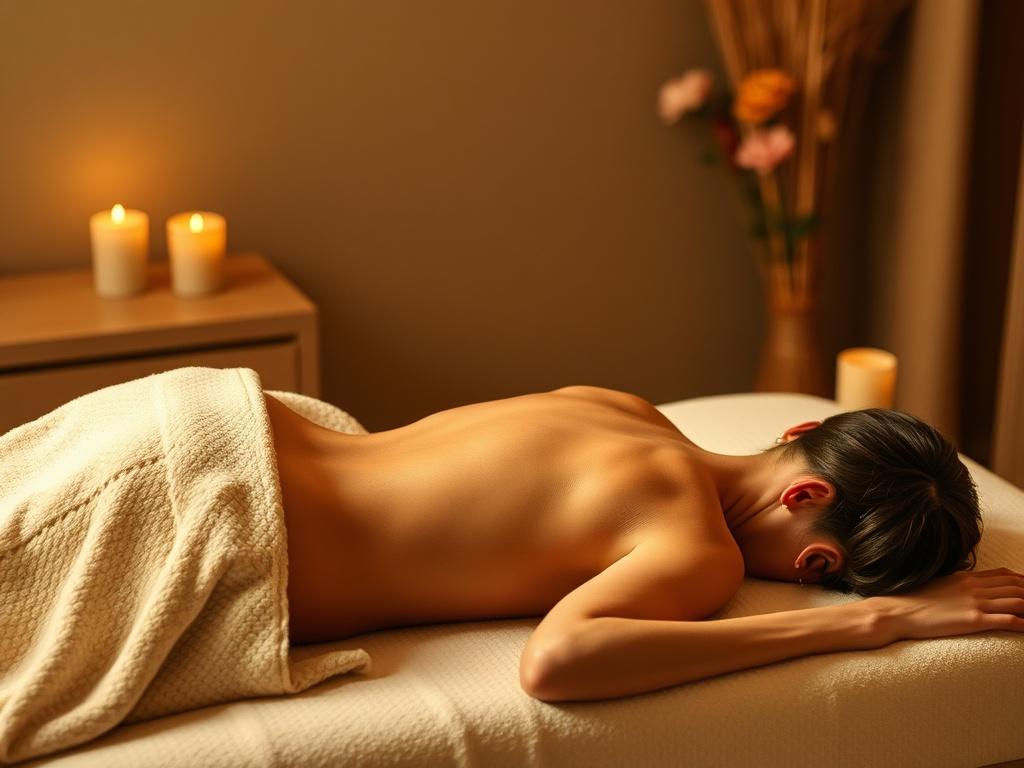

When someone types «body to body massage girl» into a search engine, they’re often looking for clarity: what the treatment involves, who performs it, and whether it’s safe and professional. This article lays out the facts you need—what body-to-body work typically entails, how it differs from conventional massage, the benefits and limitations, and practical steps to find a reputable practitioner. The goal is simple: help you make an informed, respectful choice.
What is a body-to-body massage?
At its core, a body-to-body massage is a technique in which the practitioner uses parts of their own body—often forearms, torso, or thighs—to apply pressure and glide across the client’s skin. It emphasizes broad, continuous contact and flowing movement rather than localized kneading. The idea is to create a warming, even pressure across larger surface areas, which can feel quite different from hand-only massage.
There are several legitimate contexts in which body-to-body techniques are taught and used: specialized spa treatments, certain schools of tantric-inspired therapeutic work, and cultural traditions such as some forms of Asian bodywork. In professional settings, the technique is adapted to suit therapeutic goals and strict ethical boundaries, always prioritizing client comfort and consent.
How body-to-body differs from other massage styles
Traditional styles—Swedish, deep tissue, sports—primarily rely on hands, fingers, and elbows to manipulate muscles and fascia. Body-to-body work, by contrast, spreads pressure via larger contact areas. That changes the sensation: movements tend to be smoother and more enveloping, and the pressure distribution is often perceived as gentler even when firm.
Another distinction is the rhythmic continuity. Where a classic session might segment focus by muscle group, body-to-body sequences aim for long, uninterrupted flows that integrate the whole body. This makes it particularly suitable for relaxation, circulation promotion, and creating a sense of embodied presence.
Table: Comparing common massage approaches
| Approach | Primary tools | Typical goals | Sensation |
|---|---|---|---|
| Swedish massage | Hands, fingers, palms | Relaxation, general muscle tension | Rhythmic, light to moderate pressure |
| Deep tissue massage | Fingers, elbows | Release of chronic tightness | Targeted, sometimes intense |
| Body-to-body massage | Forearms, torso, thighs (practitioner’s body) | Whole-body flow, relaxation, warm pressure | Enveloping, continuous contact |
| Sports massage | Hands, tools | Performance recovery, injury prevention | Specific, functional |
Potential benefits and realistic limits
People who seek body-to-body massage often report a deep sense of relaxation, improved circulation, and an increased awareness of bodily sensations. The broad contact can help nervous system regulation—encouraging parasympathetic calm—and may reduce muscle tension by distributing pressure over a larger area.
However, expectations should be measured. This style is not a substitute for targeted therapeutic interventions when you have specific muscular injuries or conditions. Nor is it a guaranteed route to emotional breakthroughs; while some find it meditative, others may simply enjoy it as a pleasant, relaxing treatment. Always combine any complementary therapy with appropriate medical or physical care when needed.
Safety, consent, and professional boundaries
0
The most important aspects of any massage are informed consent and clear boundaries. A professional practitioner will explain the session format, what to wear, and how they will use body-to-body techniques. They will obtain your explicit agreement before proceeding and check in about comfort and pressure during the session.
Good practitioners follow a strict code: they maintain draping (covering parts of the body not being worked on), avoid intimate areas, and stop any technique if the client feels uncomfortable. If a therapist asks you to remove all clothing without a clear, professional rationale or insists on removing draping, consider that a red flag. Trust and transparency are essential.
Checklist: Consent and boundaries
- Was the technique explained before the session?
- Did the practitioner ask for explicit consent?
- Was draping used and respected?
- Were you able to set pressure and comfort limits?
- Did the therapist maintain professional language and demeanor?
How to choose a reputable practitioner
0
Finding a skilled, ethical therapist is more important than finding a particular technique. Start with licensed or certified practitioners listed by recognized massage therapy associations or reputable spas. Read reviews that specifically mention professionalism, comfort, and communication—those tell you more than generic praise.
Ask specific questions before booking: What training do you have in body-to-body techniques? How do you manage draping and boundaries? What is your cancellation and hygiene policy? A qualified professional will welcome these questions and provide clear answers.
Red flags to avoid
- Unclear or evasive answers about training or policies.
- Requests to remove all clothing without draping or clear reason.
- Price lists that include «extras» for intimate contact.
- Therapists who rush intake forms or skip pre-session consultations.
Hygiene, safety protocols, and legal considerations
Hygiene is straightforward: clean linens for each client, freshly washed hands, trimmed nails, and a tidy clinic space. In body-to-body work, both practitioner and client should be free of contagious skin conditions. If you have medical concerns—pregnancy, blood clotting disorders, recent surgeries—consult your physician before booking.
Legal frameworks differ by location. In some jurisdictions, body-to-body or skin-on-skin techniques are restricted or must follow specific licensing rules. Make sure the practice operates within local laws and that the therapist carries appropriate credentials and liability insurance.
Preparing for a session and what to expect
Before your appointment, hydrate and avoid heavy meals. Arrive a little early to fill out intake forms that cover medical history and comfort preferences. Expect a pre-session conversation about your needs, boundaries, and any areas to avoid.
During the session, breathing and shifting your attention to sensations will help you stay grounded. You’ll typically be draped; the practitioner will uncover only the area they are working on at any one time. If anything feels off—temperature, pressure, or a sense of vulnerability—speak up. A competent therapist adjusts immediately.
Alternatives and complementary approaches
If body-to-body isn’t right for you, there are many alternatives that offer similar relaxation benefits without extended skin-on-skin contact. Warm stone massage provides broad, enveloping pressure; Swedish or aromatherapy massages prioritize flow and relaxation; Thai massage offers whole-body sequences without oils or extensive uncovering.
Complementary practices—breathwork, gentle yoga, and progressive muscle relaxation—can extend the calming effects of a session and improve body awareness over time. Combining therapies often yields the best results for stress reduction and long-term musculoskeletal health.
Common questions answered
Is body-to-body massage appropriate for everyone? No. It’s not suitable for people with certain skin conditions, open wounds, or those who feel uncomfortable with extensive touch. Always discuss medical history with the practitioner ahead of time.
Does it require nudity? Professional sessions use draping to preserve modesty. The amount of clothing removed depends on the treatment and local regulations; you should never feel pressured to undress beyond your comfort level.
How long is a typical session? Sessions range from 60 to 90 minutes for full-body work. Shorter, focused sessions are possible, but the flowing nature of body-to-body techniques often benefits from longer, uninterrupted time.
Final tips for a positive experience
0
Communicate openly. Pick a setting with clear policies and visible credentials. Start with a shorter session if you’re curious but cautious. And remember: the hallmark of a professional therapist is respect for your boundaries, consistent hygiene, and a focus on therapeutic outcomes rather than novelty.
Conclusion
Body-to-body massage can be a deeply relaxing and unique modality when delivered by a trained, ethical practitioner—one that emphasizes whole-body flow and enveloping contact rather than targeted manipulation—and by prioritizing clear consent, professional boundaries, and appropriate hygiene you can explore this technique safely and respectfully or opt for a more conventional style if it better suits your needs.