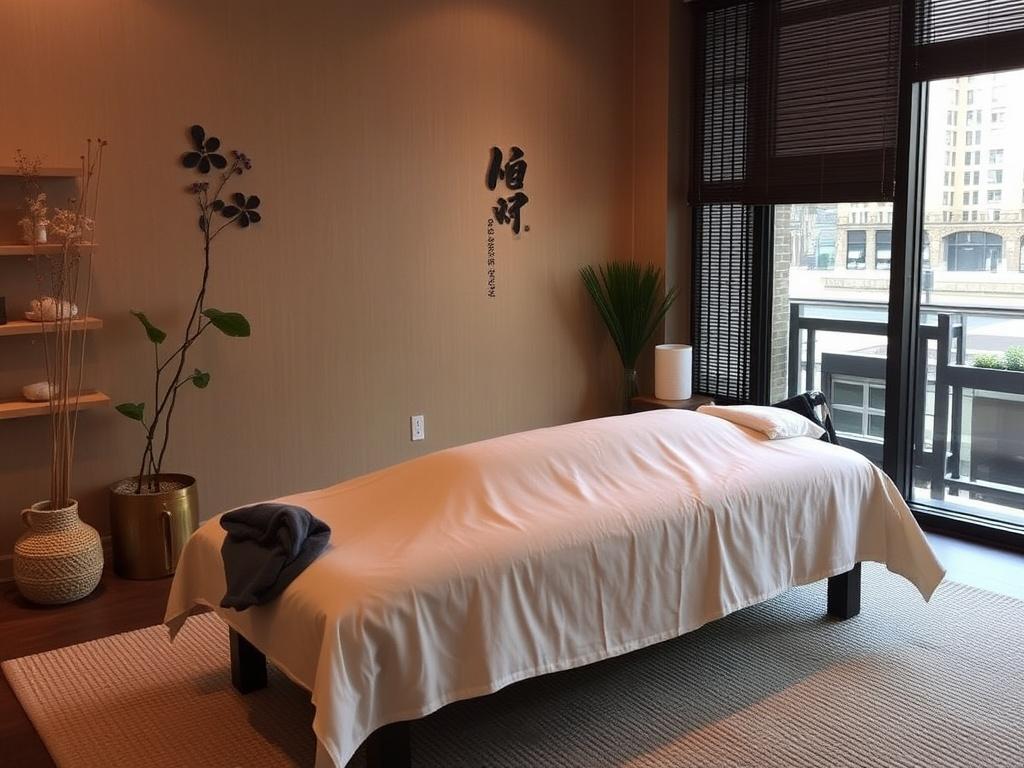

What Japanese massage means and why it matters in NYC
Japanese massage is not a single technique but a family of touch therapies rooted in centuries-old approaches to balancing the body. In New York City you’ll encounter methods that emphasize finger and palm pressure, precise joint mobilization, and gentle, rhythmic work on the face and scalp. These practices prioritize meridian lines, breath, and body alignment rather than only kneading muscle knots.
For many New Yorkers, Japanese bodywork offers something different from Western-style relaxation massage: a structurally oriented, often meditative experience. Whether you’re commuting across Manhattan or working long hours at a desk in Brooklyn, the attention to posture, energy flow and targeted pressure can feel restorative in ways that go beyond simple muscle relief.
Popular Japanese techniques you’ll find around the city
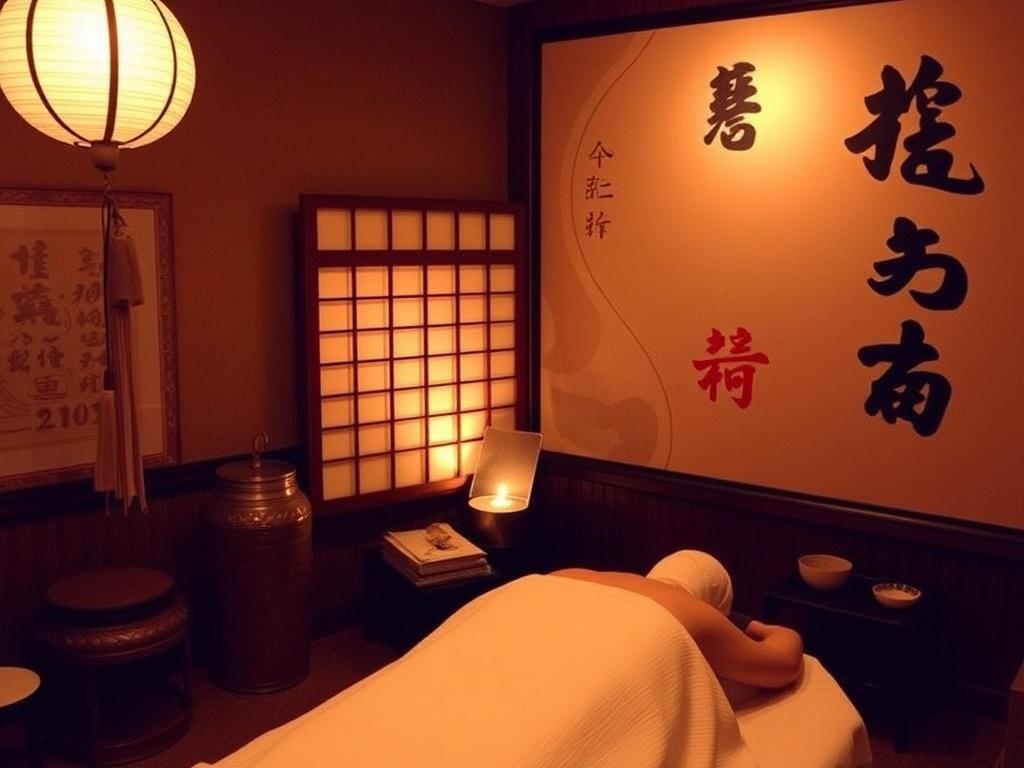
Sifting through studio menus in NYC, you’ll most often see shiatsu, anma (or amma), kobido facial massage, and seated amma treatments. Each approach has its own tempo and goals—some are deep and grounding, others are light, circulatory and beautifying. Practitioners sometimes blend methods, creating hybrid sessions that draw on traditional Japanese principles.
Below is a concise comparison to help you spot what you want when scanning booking pages or calling a studio.
| Technique | Primary focus | Typical setting | What it feels like |
|---|---|---|---|
| Shiatsu | Meridian pressure, balance of qi/energy | Futon on floor or massage table; clothed | Firm sustained pressure with thumbs and palms; grounding |
| Anma / Amma | Stimulation of circulation and muscle release | Table or chair; often clothed | Rhythmic strokes and kneading; vigorous in places |
| Kobido (Japanese facial) | Facial circulation, lift, lymphatic drainage | Facial bed or table; partially undraped | Gentle, precise strokes and kneading around face and neck |
| Seated Amma (chair) | Quick relief for neck, shoulders, upper back | Portable chair; clothes on | Targeted pressure and compressions; efficient and focused |
Where to look for authentic Japanese bodywork in New York City
Start by looking beyond the flashy spa menus. Authentic Japanese-style clinics and small specialist studios often advertise “shiatsu,” “kobido,” or “anma” specifically. Many practitioners trained in Japan or at accredited schools in the U.S. list their qualifications and the lineage of their training on their websites—inquire when you book.
Neighborhoods across Manhattan and Brooklyn host a variety of options: compact clinics in Midtown, holistic wellness centers in the East Village, and boutique facial salons on the Upper East Side. You’ll also find mobile practitioners and pop-up chair amma services at corporate events or wellness fairs. Use reviews and brief phone conversations to confirm the technique rather than relying solely on labels.
What to expect during a Japanese massage session
Sessions typically begin with a short intake: the practitioner asks about recent injuries, medications, and what you want to address. Unlike many oil-based Western massages, shiatsu and anma are often performed over clothing. Kobido facial work uses light oils or creams and may involve the removal of makeup for better contact.
Pressure and style vary by practitioner. Good clinicians check in about comfort and adjust intensity accordingly. Shiatsu uses sustained pressure on points and stretches to open restricted areas; kobido is more about delicate strokes, tapping, and lymphatic techniques that aim for both health and aesthetic benefits. Expect to rehydrate and rest briefly after a session; many people report clearer breathing and an immediate sense of alignment.
Benefits and precautions
0
Japanese massage can relieve chronic tension, improve posture, reduce stress, and support circulation and lymphatic drainage. Because many techniques balance energy pathways and address joint mobility, clients often notice improved range of motion and a sense of calm that persists for days.
- Common benefits: reduced neck and shoulder tightness, improved sleep, enhanced facial radiance with kobido, and clearer breathing after thoracic release.
- Who should be cautious: people with deep vein thrombosis, uncontrolled hypertension, recent fractures, contagious skin conditions, or certain cardiac conditions should consult a physician before treatment.
- Pregnancy: seated amma or gentle, prenatal-certified bodywork may be appropriate, but always confirm practitioner training in prenatal care.
How to choose the right practitioner in NYC
Credentials matter, but context is equally important. Look for Licensed Massage Therapist (LMT) status if you want a practitioner regulated in the U.S., and ask whether they carry specific certification in shiatsu, kobido, or traditional Japanese methods. Many reputable practitioners will happily discuss their training and what techniques they use in a session.
Practical considerations: read recent reviews for consistency, note whether the space feels clean and calm in photos, and check cancellation and lateness policies. When comparing prices, remember that specialized techniques and experienced practitioners commonly cost more than an entry-level relaxation massage—this often reflects additional training and a smaller, more focused practice.
Typical session lengths and cost expectations
Japanese massage sessions in NYC come in a range of lengths depending on goals and budgets. Short seated sessions are convenient for a lunch break; longer full-body shiatsu or kobido sessions give time for a thorough treatment, breathing work, and post-session rest.
| Session type | Common duration | Typical NYC price range |
|---|---|---|
| Seated amma (chair) | 15–30 minutes | $25–$60 |
| Shiatsu (partial or full) | 45–90 minutes | $75–$160 |
| Kobido facial | 45–75 minutes | $90–$200 |
Simple Japanese-inspired techniques you can try at home
Home practice can’t replace professional treatment, but a few principles translate well. Focus on steady pressure, breathing, and listening to what your body tells you. Use your thumbs and fingers to apply slow, sustained pressure to sore points, rather than rapid kneading.
- Neck and shoulder pause: sit tall, breathe slowly, and press thumb pads along the base of the skull and the upper trapezius for 10–20 seconds each point; release gently.
- Jaw and face reset: with clean hands and light oil or lotion, use gentle outward strokes along the jawline and under the cheekbones, finishing with light tapping across the forehead to stimulate circulation.
- Seated breath stretch: clasp hands behind the head, inhale and gently lift the chest while the practitioner’s thumb or your own thumb presses moderate pressure along the spine’s paraspinal muscles; hold a few breaths, then relax.
Etiquette, tipping and how to book in NYC
Booking is straightforward: most studios offer online scheduling or a quick phone conversation. When in doubt, ask whether a session is clothed or on a table, how much undressing the practitioner expects, and whether the treatment will include stretching or joint mobilization. Arrive a few minutes early to complete intake forms and settle in.
Tipping culture in New York City follows general spa norms—if you feel satisfied with the service, a tip of 15–20% is common. If a practitioner provides exceptional care or educational value, clients sometimes tip more. Respect the practitioner’s time by notifying the studio promptly if you must cancel or reschedule.
Final tips for first-timers
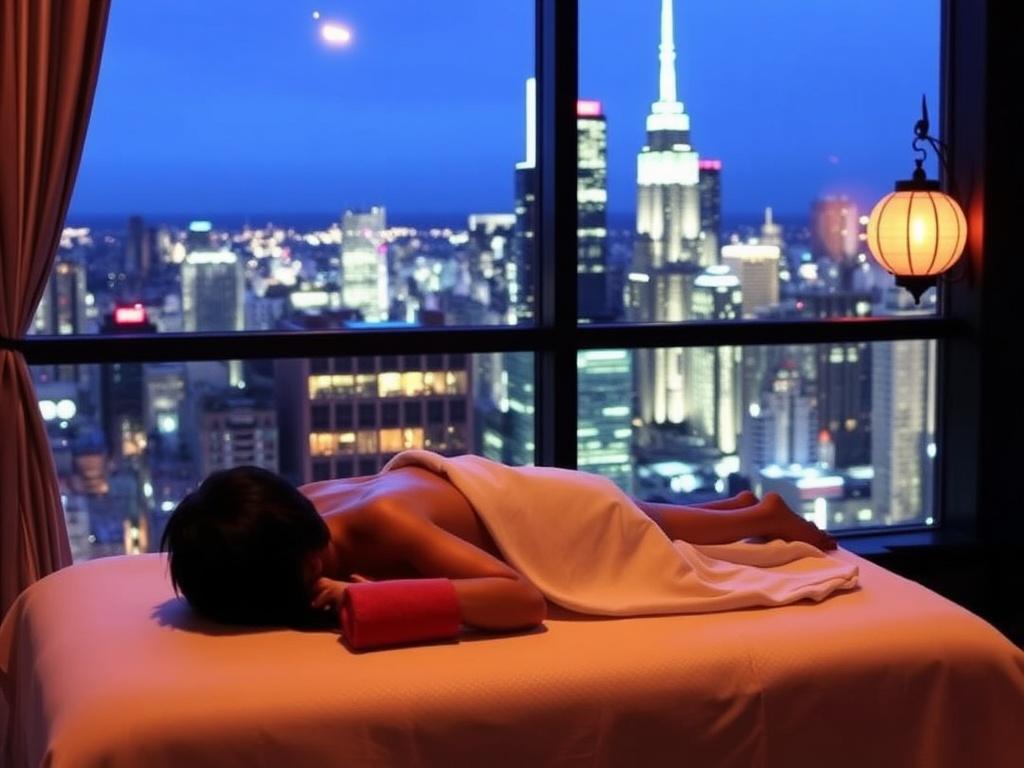
Communicate openly about pain thresholds, injuries, and expectations. Japanese massage can be intense in some areas and feather-light in others; asking for incremental adjustments often yields a better session than waiting until the pressure becomes uncomfortable. Give your body time to integrate the work—avoid strenuous activity immediately after a deep session.
Explore a few different practitioners. Technique and the practitioner’s hands are the real product here, and styles can vary widely even within a single discipline. A short session can be a smart way to test a practitioner before booking a longer treatment.
Conclusion
Japanese massage in NYC offers a rich spectrum of bodywork—from the grounding, pressure-based art of shiatsu to the graceful, lift-focused kobido facial—delivered in clinics, boutique spas and pop-up settings across the city; by choosing a practitioner whose training and style match your needs, communicating clearly about comfort and goals, and giving yourself time to absorb the benefits, you can add a distinctive, restorative practice to your urban wellness routine.