
What is Japanese Massage?
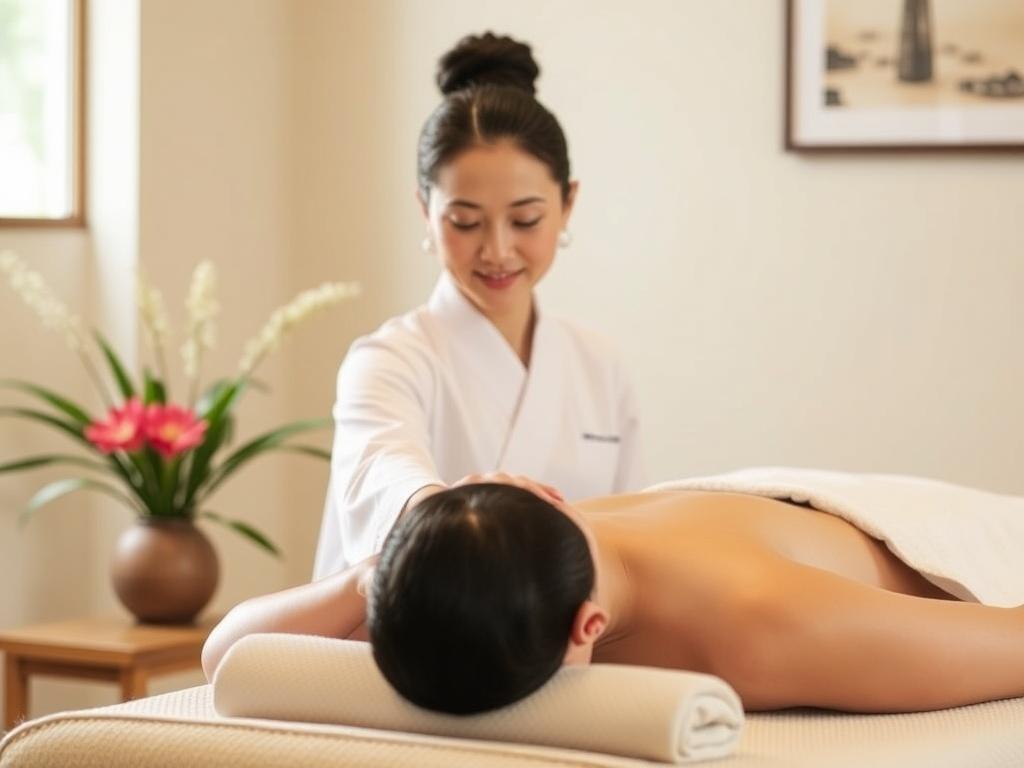
Japanese massage refers to a range of hands-on therapies developed in Japan that focus on acupressure, rhythm, and balance rather than deep, forceful manipulation. These traditions—rooted in centuries-old healing systems and refreshed by modern clinical approaches—aim to relieve tension, restore circulation, and harmonize the body’s natural pathways.
Unlike some Western styles that emphasize long gliding strokes, many Japanese techniques use targeted pressure with fingers, thumbs, palms, or even feet to influence specific meridians and trigger points. For women, these methods are often adapted to address common concerns such as neck and shoulder tension, menstrual discomfort, and stress-related fatigue.
Traditional Roots: Anma and Shiatsu
Anma is one of the oldest recorded Japanese massage practices. Historically practiced by professional blind masseurs, anma focuses on kneading, pressing, and rhythmic tapping. It laid the groundwork for later systems by teaching therapists how to read the body through touch and to apply techniques that ease muscle knots and improve local blood flow.
Shiatsu—literally “finger pressure”—emerged in the 20th century as a more systematized form drawing on anma, traditional Chinese medicine, and Western anatomy. Pioneers like Tokujiro Namikoshi helped formalize shiatsu training. Today, shiatsu is practiced worldwide and tailored to many needs, including gentle, therapeutic approaches preferred by female clients.
Modern Techniques Women Prefer
Contemporary Japanese massage for women often blends classical methods with modern wellness practices: lymphatic drainage to reduce puffiness, gentle joint mobilization for pelvic alignment, and craniosacral-like touches for calming the nervous system. Therapists frequently combine precise pressure with slow stretches to support flexibility without causing soreness.
Many clinics and spas also incorporate aromatherapy, warm compresses, or hot-stone elements to enhance relaxation. These adjuncts help create a softer, less intense session that appeals to women seeking both physical relief and a restorative pause from daily demands.
Benefits Specifically for Women
Women report a spectrum of benefits from Japanese-style massage. Beyond the obvious relief of muscle tightness, these therapies can improve circulation, reduce headaches, and promote better sleep. For people juggling family, work, and social roles, the calming, deliberate pace of these massages can help lower stress hormones and regenerate energy.
Hormonal cycles, pregnancy, and life stages change how the body responds to touch. Japanese massage techniques are well-suited to adapt to those changes: therapists can modulate pressure, select calming treatments during luteal or menopausal phases, or focus on pelvic and lumbar support during pregnancy.
Physical Benefits
Targeted pressure to acupoints and muscle groups boosts local blood flow, which helps flush metabolic waste and bring oxygen and nutrients to tissues. This can ease chronic neck and shoulder pain, reduce stiffness, and restore a freer range of motion—especially helpful for women who carry tension in the upper body.
Lymphatic-friendly strokes commonly used in Japanese-inspired sessions can decrease swelling and promote detoxification. Many women notice reduced facial puffiness and lighter limbs after such treatments, particularly when combined with gentle movement and hydration.
Emotional and Hormonal Benefits
The rhythm and attentive hands of a skilled therapist provide more than physical change; they cue the parasympathetic nervous system, which calms the mind and lowers anxiety. For women experiencing cyclical mood changes, postpartum stress, or perimenopausal symptoms, this type of massage can be an effective adjunct to other therapies.
Massage also encourages interoception—the brain’s sense of internal bodily signals. Reconnecting with those signals helps many women manage pain, recognize stress patterns, and make small lifestyle adjustments that support longer-term wellbeing.
Popular Styles Explained
| Style | Origin | Technique | Pressure | Best for |
|---|---|---|---|---|
| Shiatsu | Japan (20th century) | Finger/thumb pressure on meridians; stretches | Light to firm | Stress, digestive issues, general balance |
| Anma | Classical Japanese | Kneading, rolling, tapping, pressing | Moderate | Muscle knots, circulation, maintenance |
| Ashiatsu | Derived from Asian foot techniques | Therapist uses feet to deliver deep gliding pressure | Deep | Deep tissue release, back and hip tension |
| Reflexology (Japanese-influenced) | Reflex maps adapted in Japan | Pressing zones on feet/hands tied to organs | Light to moderate | Headache relief, hormonal balance, relaxation |
Each style carries its own tempo and intention. Shiatsu often feels meditative—slow, rhythmic, and centered—while anma is more hands-on and circulatory. Ashiatsu delivers heavier pressure and is less common in clinics that prioritize gentle care for women.
Choosing a style comes down to personal sensitivity and health needs. A therapist should tailor the session, starting gently and checking in frequently—especially for first-time clients or those with specific conditions.
What to Expect at a Japanese Massage Session
Sessions usually begin with a short consultation: medical history, current aches, and any preferences about pressure or therapist gender. Communication matters; therapists trained in Japanese methods listen for subtle cues and adjust their touch accordingly.
Unlike Swedish massage where oils are common, many Japanese techniques are performed over light clothing or with towels and minimal oil. Some spas provide comfortable robes or loose clothing; others use a thin sheet so the therapist can apply pressure directly where needed.
Practical tips for a smooth session:
- Arrive 10–15 minutes early to fill out forms and relax.
- Wear comfortable, loose clothing if the treatment is performed over clothes.
- Communicate openly about pain thresholds, injuries, or pregnancy.
- Drink water afterward to aid circulation and detoxification.
- If you prefer a female therapist, request that when booking—many clinics accommodate gender preferences.
Safety, Contraindications, and Pregnancy
Japanese massage is generally safe, but certain conditions require caution. Active infections, deep vein thrombosis, uncontrolled hypertension, or recent surgeries are examples when massage should be deferred or modified. Be honest with your therapist about medications and medical history.
Pregnancy massage can be beneficial, but it must be adapted. Trained practitioners avoid deep abdominal work in early pregnancy and use side-lying positioning or gentle techniques in later trimesters. Always confirm the therapist’s prenatal certification before booking.
Finding the Right Therapist
Selecting a therapist is as much about skill as it is about rapport. Look for practitioners with formal training in shiatsu or Japanese massage techniques, memberships in professional associations, and positive client reviews. Many therapists list specialties—pregnancy, menopausal support, or working with chronic pain—that can guide your choice.
Ask questions before booking: how they structure a session, what training they received, whether they perform assessments, and how they handle medical concerns. A short phone call or email exchange can reveal professionalism and an appropriate fit.
Checklist when vetting therapists:
- Certification or diplomas in shiatsu or related modalities
- Liability insurance and clean treatment space
- Client testimonials or online reviews
- Willingness to modify techniques for women’s health needs
- Clear communication about pricing and session length
DIY Japanese-Inspired Techniques for Women at Home
You don’t need a clinic to apply simple, effective touches that mirror Japanese massage principles. Short self-shiatsu routines can relieve neck tension, soothe cramps, and calm the nervous system between professional sessions.
Three easy practices to try:
- Neck and shoulder release: Use thumbs to apply steady pressure along the base of the skull and down the upper trapezius for 20–30 seconds per point.
- Abdominal comfort for cramps: Gentle, circular pressure with open palms over the lower belly in a clockwise motion for five minutes, breathing slowly.
- Foot reflex relief: Press along the arch of the foot with your thumb, pausing on tender spots for 10–15 seconds to support relaxation.
Keep sessions brief and mindful: five to fifteen minutes is often enough. If any maneuver causes sharp pain, stop immediately. For persistent or severe problems, consult a qualified therapist or healthcare provider.
Cultural Notes and Etiquette
If you visit a Japanese-style spa, small cultural touches can make the experience smoother. Silence and soft conversation are preferred; many spaces emphasize a calm atmosphere. Remove shoes when required, and follow changing-room procedures respectfully.
Tipping practices differ by region. In Japan proper, tipping is not customary and can be awkward; in many Western cities, tipping is common. Ask the spa’s policy when you book if you’re unsure. Regardless, expressing appreciation with a kind word or written review supports practitioners meaningfully.
Making the Most of the Experience
Arrive with a clear intention—relaxation, pain relief, or improved sleep—and share it with your therapist. Small adjustments, like breathing deeply during a hold or requesting a slower rhythm, can transform a good session into a restorative one. Trust the process: consistent, gentle work often yields more lasting results than infrequent, intense treatments.
Remember that bodywork is a collaboration. Your feedback—about pressure, comfort, and desired focus—helps the therapist deliver a session tailored to your needs and life stage.
Conclusion
Japanese massage offers a versatile, sensitive approach well suited to many women’s needs: it balances physical release with nervous-system calming, adapts to life stages like pregnancy and menopause, and can be tailored from deep relief to gentle restoration; choosing a trained therapist and communicating clearly ensures safe, effective care that supports both daily function and long-term wellbeing.