
Why «Happy Ending» and What It Means for a Manhattan
The term «Happy Ending Manhattan» usually points to a version of the classic Manhattan cocktail that finishes sweeter, silkier, or with a little theatrical flourish. Instead of signaling anything risqué, bartenders use the phrase as shorthand for a variation that takes the familiar rye-and-sweet-vermouth base and nudges it toward a more dessert-like, comforting finale.
These twists have grown popular in New York bars that like to play with tradition. A Happy Ending Manhattan might add a liqueur rinse, a dash of amaro, a smoked sugar cube, or a cherry foam—each technique designed to extend the experience beyond the first sip. The result is a Manhattan that feels both nostalgic and new.
Origins: The Manhattan and the Evolution of Endings
The Manhattan was born in the late 19th century, credited to bartenders mixing rye or bourbon with sweet vermouth and bitters. Over time, bartenders across the city experimented—changing spirits, vermouths, garnish, and technique. Those experiments created a culture of playful endings, where the last impression of the drink is as considered as the first.
Bars in Manhattan have a history of naming cocktails descriptively, and «Happy Ending» fit naturally for variations designed to close the tasting on a high note. The name signals that the drink’s finish—its aftertaste and mouthfeel—will leave you smiling. That expectation shapes both ingredient choices and presentation.
What Makes a Manhattan a «Happy Ending» Version?
At its core, a Happy Ending Manhattan plays with three elements: sweetness, texture, and aroma. Increasing sweetness might mean swapping some vermouth for maraschino or adding a liqueur like Bénédictine. Texture adjustments come from techniques such as a short shake with egg white or a quick stir with a sugar cube to create a velvety mouthfeel. Finally, aroma is manipulated through smoked glass, citrus oils, or perfumed garnishes.
These tweaks aren’t arbitrary. They’re intentional, aiming to round edges, soften alcohol heat, and enhance the cocktail’s narrative arc. The goal is balance: a sweeter finish that still respects the Manhattan’s backbone of whiskey and bitters.
Recipes: Classic Manhattan vs. Happy Ending Variations
Below is a concise table comparing a classic Manhattan with two popular Happy Ending takes. Use it as a reference for proportions and expected flavor profiles.
| Version | Ingredients | Technique | Flavor Profile | Garnish |
|---|---|---|---|---|
| Classic Manhattan | 2 oz rye, 1 oz sweet vermouth, 2 dashes Angostura | Stir with ice, strain into chilled coupe | Spicy, herbal, slightly bitter | Luxardo cherry or orange twist |
| Happy Ending — Liqueur Finish | 1.75 oz rye, 0.75 oz sweet vermouth, 0.25 oz maraschino, 2 dashes Angostura | Stir with ice, strain; rinse glass with maraschino for extra aroma | Cherry-forward, lightly sweet, softer spice | Luxardo cherry and lemon oil |
| Happy Ending — Smoke & Sugar | 2 oz bourbon, 0.75 oz sweet vermouth, 2 dashes Angostura | Stir; flame a sugar cube or smoke the glass before pouring | Caramelized, warm, aromatic smoke | Orange twist, smoked rosemary (optional) |
Step-by-Step: Making a Happy Ending Manhattan at Home
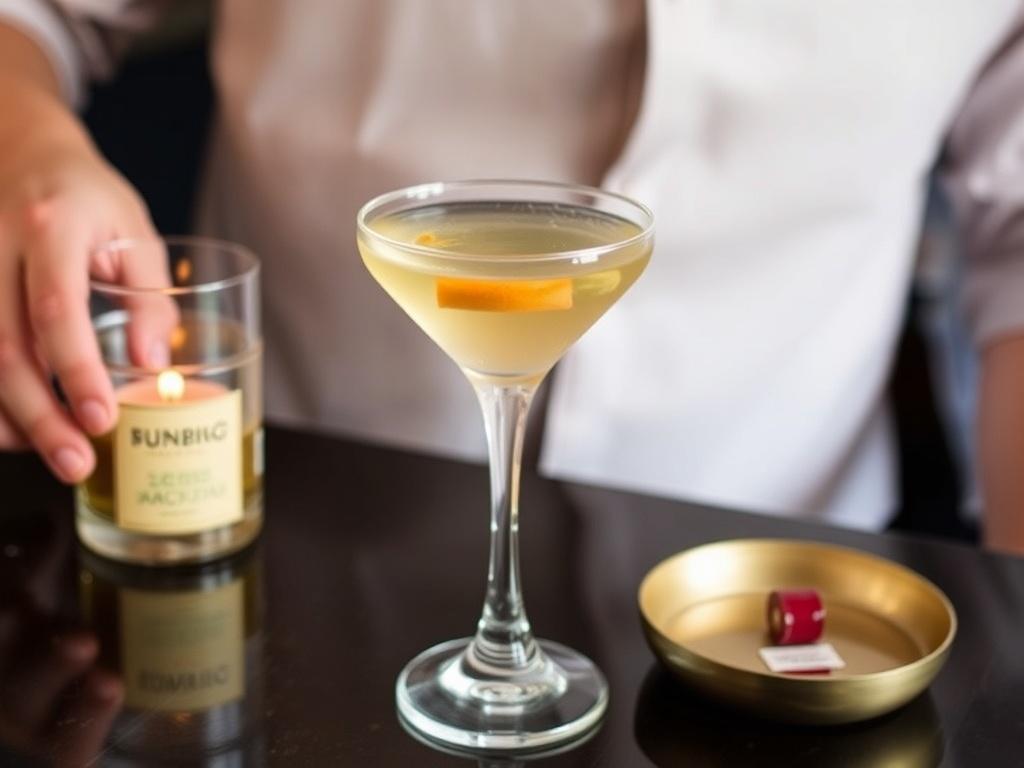
Start with quality ingredients—good rye or bourbon and fresh vermouth. Vermouth oxidizes quickly, so keep it refrigerated once opened. Measure precisely and use a chilled glass to maintain temperature without over-diluting the cocktail.
For a basic Happy Ending Manhattan using maraschino: combine the whiskey, vermouth, maraschino, and bitters in a mixing glass with plenty of ice. Stir for 25–30 seconds until properly chilled, then strain into a chilled coupe. Rinse the serving glass with a small amount of maraschino by swishing and discarding it—or let a couple of drops remain. Finish with a Luxardo cherry and a twist of lemon oil over the top.
Tips for a silky finish
To achieve a velvety texture, consider a short, gentle shake with an egg white (if you’re comfortable using raw eggs) and then strain into the glass. Another option is to swap 0.25 oz of vermouth for a demi-sec or cream liqueur in very small quantities—this softens the palate without turning the drink into dessert.
Variations to Explore
There’s room to experiment. Here are several directions to try, each changing the ending in a recognizable but tasteful way:
- Amaro Finish: Replace part of the vermouth with Amaro Montenegro or Averna for herbal bitterness and a long finish.
- Chocolate Cherry Twist: Add 0.25 oz crème de cacao and use a cherry syrup garnish for a near-dessert Manhattan.
- Smoked Glass: Smoke the serving glass with applewood or mesquite for an immediate aromatic flourish on the first sip.
- Citrus Oil Boost: Express a thick orange or grapefruit peel over the drink and rub the rim to amplify aromatic oils.
Each variation adjusts the cocktail’s final note—the actual «happy ending»—while keeping the Manhattan’s identity intact.
Best Bars in Manhattan to Try a Happy Ending Manhattan
New York’s cocktail scene is rich with bars that riff on classics. Seek out places known for precise technique and creative, spirit-forward menus. Neighborhood cocktail rooms and reservation-only speakeasies often have seasonal takes on the Manhattan with a special finishing touch. Bartenders at these bars will sometimes tailor the ending to your palate—more smoke, less sweet, or a richer texture.
If you want to try several versions in one night, aim for a bar crawl focused on craft cocktail neighborhoods like the East Village, West Village, or the Lower East Side. Ask the bartender if they offer any «afterthought» additions—things meant to be added at the end for a final flourish.
Pairing and When to Order One
A Happy Ending Manhattan leans toward being a digestif-style drink: it’s at home after dinner or during a slow evening. It pairs well with dishes that have depth—duck, mushroom dishes, and aged cheeses are good companions because the cocktail’s sugar and aromatics cut through savory richness.
For lighter pairings, choose versions with brighter citrus notes and less liqueur. The right pairing can highlight the cocktail’s finale—the lingering cherry, the charred sugar, or the herbal amaro—so think in terms of complementary textures and flavors.
Glassware, Garnish, and Presentation
Presentation matters. A coupe or Nick & Nora glass keeps a Manhattan elegant and allows aromas to concentrate. If the Happy Ending involves smoke, serve the drink under a cloche for a moment of theatre. Garnish choices—Luxardo cherries, flamed orange peel, a rosemary sprig—should be matched to the chosen finish to reinforce the drink’s final impression.
Small touches count: a chilled glass, a freshly pierced cherry, or a delicate spritz of citrus oil can transform good into memorable. The finishing detail is literally the last thing your guest remembers.
Responsible Enjoyment
A Happy Ending Manhattan may taste softer and sweeter, but it still packs whiskey. Sip slowly and savor the progression of flavors rather than chasing quantity. If you’re hosting, offer water and small bites to keep the evening balanced and comfortable.
For those on a tighter schedule, make a half-portion or share a cocktail among two people. The point of a Happy Ending Manhattan is a satisfying close to a meal or an evening—not a hasty finish.
Conclusion
The Happy Ending Manhattan is a thoughtful, approachable riff on a classic—one that celebrates finish as much as foundation. Whether you’re sipping a maraschino-kissed version at a neighborhood bar or trying a smoked-sugar twist at home, the variation invites you to notice the final notes: the warmth that lingers, the aroma that hangs in the air, and the small pleasure of a well-crafted ending. Make it with care, pair it with good food, and let the last sip be the part you remember.