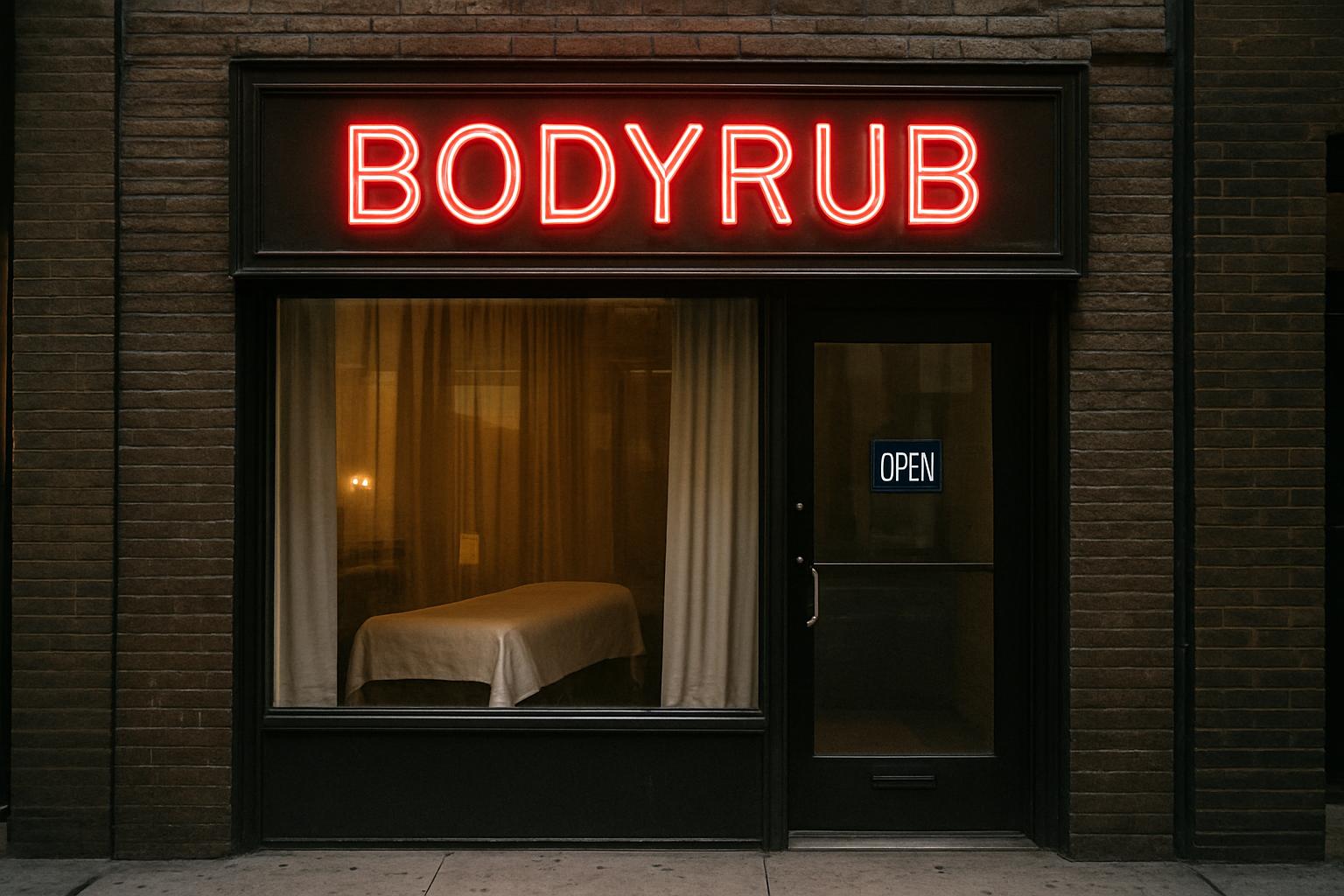

Understanding the Term «Bodyrub» in New York
In New York, the word «bodyrub» can mean different things depending on context. For many people searching for an upscale experience, it refers to high-end therapeutic bodywork offered at licensed spas and wellness centers—skilled practitioners using techniques to relieve tension, restore mobility, and promote relaxation. These treatments are presented within a professional setting where comfort, discretion, and clear boundaries are part of the service.
It’s important to separate legitimate therapeutic work from illicit practices. New York State has clear laws governing massage therapy and sexual solicitation; legitimate establishments operate transparently with licensing, visible credentials, and written policies. When you look for an upscale bodyrub, think in terms of wellness, professionalism, and a curated experience rather than an ambiguous or underground encounter.
What to Expect at an Upscale Bodywork Spa
Stepping into a luxury spa typically feels intentional: muted lighting, signature scents chosen to appeal without overwhelming, and a staff that greets you by name. Upscale spas invest in design, from high-thread-count linens to soundproofed treatment rooms. A high-quality bodyrub session begins with a pre-treatment consultation where a therapist asks about medical history, current complaints, and pressure preferences. That conversation is part of the craft—it ensures the treatment is tailored, safe, and effective.
During the session, expect clear communication about draping, areas of focus, and the techniques that will be used. Upscale practitioners use oils or creams formulated for skin type or therapeutic need and may combine modalities—say, Swedish strokes to calm the nervous system followed by targeted deep-tissue work to address a knot. Aftercare is also part of the service: therapists often suggest stretches, hydration, or follow-up sessions to maintain benefits. The entire experience is curated so a single appointment can feel like a small but meaningful reset.
Popular Types of Luxury Bodywork
Luxury spas offer a curated menu of bodywork styles. Some are classic and broadly accessible; others derive from traditional systems that require specialized training. Upscale centers distinguish themselves by offering well-trained therapists, higher-end products, and options that can be customized according to the guest’s goals—relaxation, athletic recovery, or pain management.
Below is a concise comparison of common modalities you’ll find at upscale New York spas. Use it to match your needs with the right treatment.
| Type | Focus | Typical Duration | Price Range* | Best For |
|---|---|---|---|---|
| Swedish Massage | General relaxation, circulation | 50–90 minutes | $120–$220 | First-time spa guests, stress relief |
| Deep Tissue | Chronic muscle tension, knots | 50–90 minutes | $150–$260 | Stiffness, trigger points |
| Sports Massage | Performance, injury prevention | 30–90 minutes | $130–$270 | Athletes, active clients |
| Thai/Thai-inspired | Stretching, energy flow | 60–120 minutes | $160–$320 | Mobility, yoga-like benefits |
| Hot Stone | Deep warmth, muscle relaxation | 60–90 minutes | $170–$300 | Chronic tension, relaxation |
| Aromatherapy | Sensory relaxation, mood | 50–90 minutes | $140–$260 | Stress relief, sleep issues |
| Shiatsu | Pressure points, energy work | 50–90 minutes | $130–$250 | Holistic balance, flexibility |
*Price ranges reflect upscale New York market averages and can vary by neighborhood, brand, and therapist expertise.
Neighborhoods and Top Spa Districts in New York
New York’s spas are as diverse as its neighborhoods. In Manhattan, Midtown and the Upper East Side host glossy, landmark hotels with spa floors that cater to business travelers and well-heeled locals. SoHo and the West Village feature boutique wellness studios that balance a chic aesthetic with intimate service. Chelsea and the Flatiron area attract a mix of design-conscious guests seeking tailored treatments and cutting-edge product lines.
Brooklyn’s spa scene has matured into its own ecosystem. Williamsburg and Dumbo offer hip, design-forward spots that blend bodywork with holistic services—think infrared saunas and natural-product retail. Meanwhile, Manhattan’s luxury hotel spas are concentrated near Fifth Avenue and Central Park, providing a classic upscale experience: valet parking, private lockers, and multi-hour rituals that combine massage, scrubs, and facials.
How to Choose a Reputable Upscale Bodyrub Spa
Choosing the right place starts with research. Check whether therapists are licensed or certified by recognized bodies—New York State requires massage therapy licensing, and many upscale clinics will list credentials on their websites. Look for transparent policies about pricing, cancellation, and consent. High-end spas publish these details; they’re proud of their standards and don’t hide fees or terms behind vague copy.
Online reviews can be helpful but should be read critically. A pattern of consistent praise for cleanliness, therapist skill, and service reliability is more meaningful than a single five-star review. Likewise, a spa’s visual presence—professional photos of treatment rooms, staff bios that include training and specialties—speaks to investment in quality. If something feels off, call and ask questions. How staff answer reveals a lot about their culture and attention to detail.
Red Flags to Watch For
There are clear warning signs that a place may not be professional. Lack of visible licensing, refusal to provide written policies, or advertisements that emphasize ambiguous «extras» are cause for caution. So are rooms without proper draping, unsolicited comments about body areas unrelated to the treatment, and inconsistent pricing. Trust your instincts—if a booking feels murky or the staff avoids straightforward answers, walk away.
Another red flag: a business model that relies solely on cash and avoids traceable payments. Legitimate upscale spas accept cards, provide receipts, and list tax IDs if they operate at scale. Transparency is part of the premium experience; if it’s missing, it damages both safety and credibility.
Booking, Prices, and Etiquette
Booking an upscale bodyrub is usually simple: choose your modality and length, select a therapist if possible, and reserve a block of time that includes pre- and post-treatment transitions. Many spas recommend arriving 15–30 minutes early to use steam, relax in a lounge, and complete intake forms. This buffer prevents you from feeling rushed and makes the treatment itself more effective.
Pricing in New York is a mix of base fees and add-ons. Signature rituals—where massage is combined with exfoliation, hydrotherapy, or specialized creams—will cost more than a straightforward session. Gratuity is customary; for exceptional service, 18–25% is typical in luxury settings. Some spas include service charges for large hotel bills, so check your receipt before adding extra tips.
- Always disclose medical conditions, recent surgeries, and pregnancy status during intake.
- Wear what makes you comfortable; draping protocols will be explained before the therapist begins.
- If you prefer a particular pressure level or want focus on a specific area, say so early.
- Silence your phone and keep noise to a minimum to respect other guests.
Good etiquette also includes respecting appointment times and cancellation policies—upscale spas operate on tight schedules and often have waiting lists for prime therapists. If you must reschedule, giving 24–48 hours’ notice is standard and appreciated.
Health, Safety and Legal Considerations
Your safety and well-being are paramount. Reputable spas keep sterile linens, laundered between clients, and follow best practices for sanitation of tools and surfaces. Therapists should wash hands before and after sessions and change treatment oils or use single-use applicators when appropriate. If an establishment seems lax about hygiene, leave and report your concerns to local health authorities.
Regarding legal matters: New York has clear statutes that prohibit sexual services in exchange for payment. Upscale spas operate within those boundaries and emphasize professional ethics. Therapists are trained to maintain clinical boundaries; if a staff member behaves inappropriately, you have every right to terminate the session immediately and contact the spa manager. Legitimate establishments will take such complaints seriously and have processes to address them.
Medical contraindications are another important consideration. If you have heart conditions, blood clots, infectious skin issues, or are pregnant, inform the spa before booking. Many spas require a physician’s clearance for certain conditions. A well-run spa will either adjust the treatment or decline service if it risks your health.
Amenities and Extras That Define «Upscale»
Upscale is more than quality massage—it’s an orchestration of details that elevate the entire visit. Expect amenities like private changing suites, eucalyptus steam rooms, relaxation lounges with herbal teas, and curated product lines you can buy afterwards. Some spas offer bespoke elements—custom-blended massage oils, soundscapes, or aromatherapy tailored to your needs.
Extras also include services that transform single appointments into rituals: extended locker privileges, guided post-treatment stretches, or short consultations with a wellness specialist. A spa that invests in staff training, premium linens, and natural or organic product lines demonstrates an attention to the guest experience that goes beyond a basic bodyrub.
Tips for Making the Most of Your Session
Preparation improves outcomes. Hydrate well the day of your appointment and avoid heavy meals immediately beforehand. If you’re tense, a warm shower or a few minutes in a steam room can help relax muscles and make the therapist’s work more effective. Bring a list of problem areas and any questions you have about pressure levels or aftercare.
During the session, give feedback—tell the therapist if the pressure is too much or too little. Skilled therapists appreciate direction; small adjustments make a big difference. After the treatment, move slowly to allow circulation to normalize, and drink water to help flush metabolic byproducts released from tissues. If soreness appears, apply heat or gentle stretching rather than aggressive activity.
- Discuss goals at the start: pain relief, relaxation, or improved mobility.
- Book follow-up sessions based on the therapist’s recommendation—consistency matters.
- Consider packages or memberships if you plan regular treatments; they often offer savings and scheduling priority.
Alternatives to Traditional Bodyrubs
If you’re looking for variations on a bodyrub, New York’s wellness scene offers many directions. Medical massage or physical therapy is an option when pain is chronic or injury-related; practitioners work closely with physicians and use evidence-based protocols. Floatation therapy and infrared saunas provide different sensory ways to relax and recover; they are often available in the same buildings as high-end massage studios.
Other alternatives include osteopathy, chiropractic care, and acupuncture—modalities that address structural or energetic imbalances. For those who enjoy movement-based recovery, pilates studios and guided mobility classes complement bodywork by teaching clients how to maintain gains between treatments. A thoughtful wellness plan often combines several modalities rather than relying on a single session.
Costs and Value: Is an Upscale Bodyrub Worth It?
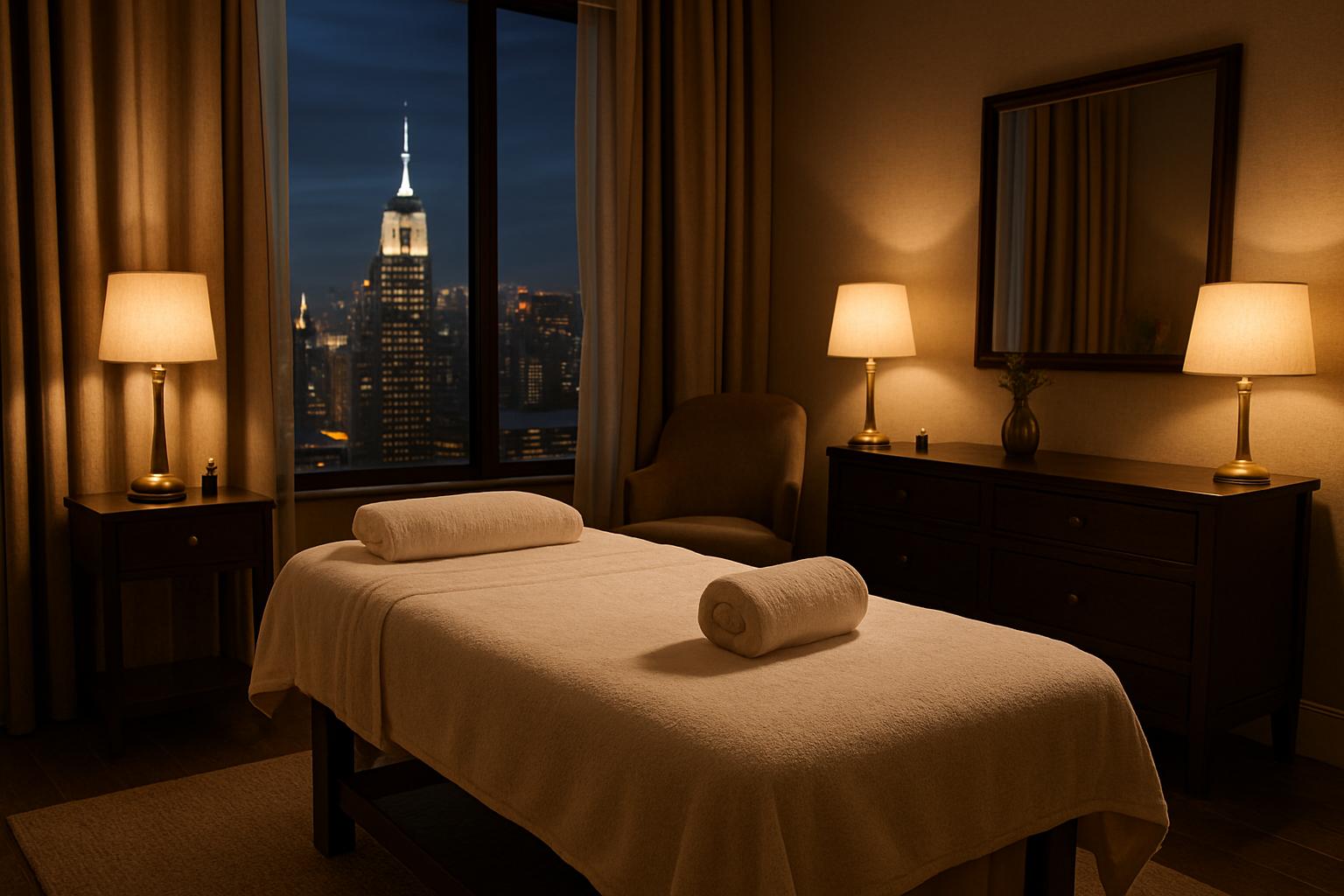
Price does not always equal value, but in the case of upscale bodywork, certain investments are tangible. Higher fees often pay for therapist education, better product lines, superior facilities, and a consistent client experience. If the result is reduced pain, improved sleep, or sustained stress relief, the cost can be justified as part of a wellness budget. Many clients find that occasional splurges help prevent larger health costs down the line.
To judge value, consider outcomes rather than sticker price. Did you sleep better after the session? Did a persistent knot loosen appreciably? Did you leave feeling refreshed rather than sore? If the answer is yes, the appointment delivered measurable returns. If not, use the therapist’s feedback to refine future bookings—different modalities, longer sessions, or other practitioners may yield better results.
Booking Tools and How to Read Reviews
Modern spas use several booking systems, from proprietary apps to third-party platforms. A robust online reservation system lets you choose therapist level, view available times, and pay securely. Beware of places that require advance cash deposits without receipts or confirmation. Legitimate businesses document transactions and make appointment changes straightforward.
When reading reviews, look for patterns rather than individual extremes. Consistent praise for a specific therapist, repeated notes on cleanliness, and multiple mentions of successful outcomes are strong indicators of quality. Conversely, recurring complaints about hidden fees, rude staff, or hygiene issues are red flags. Review content that includes specifics—therapist name, type of treatment, and tangible results—is more reliable than vague statements.
Questions to Ask When Calling or Visiting
Before you commit to a booking, ask direct questions. Inquire about therapist qualifications, sanitation practices, and what is included in the session price. Ask whether the spa conducts consultations and how they handle boundaries. If you have special needs—accessibility, language preferences, or a requirement for a male or female therapist—ask about availability and any associated policies.
How staff answer these questions tells you about their training and how comfortable they are with professional standards. Polite, informative, and direct responses are signs of a place that values client trust and offers a high-end experience.
Personalizing Your Experience
Part of what makes an upscale spa feel luxurious is its flexibility. Many high-end spas will tailor sessions to your preferences: adjusting pressure, extending focus time on certain areas, or incorporating add-ons like cupping, gua sha, or targeted hot compresses. If personalization matters to you, ask about customization options when booking so the front desk can schedule a therapist with the right skill set.
Memberships and packages are another path to personalization. They allow spas to track your history—preferred pressure, areas you favor, and any medical notes—so subsequent visits are increasingly tailored. Memberships often come with perks: priority booking, discounted add-ons, and invitation-only events that make the experience feel more curated.
What to Wear and How to Prepare
For most bodywork, you will be asked to undress to your comfort level and draped appropriately; therapists are trained to keep clients warm and covered except for the area being worked on. If modesty is a priority, communicate that in advance and request therapists who are comfortable adjusting techniques to clothing or using gentle over-garment work. Some modalities, like Thai massage, are performed fully clothed, so attire matters—wear loose, comfortable clothing if you choose that option.
Practical preparation also includes shaving or avoiding heavy perfumes that can interfere with the spa’s scent profile. Bring any documentation about medical conditions or referrals if the spa requires them. A mental note: plan light activity after a session. You’ll get more from treatment if you avoid immediately returning to strenuous work or long travel.
Making Repeat Visits Productive
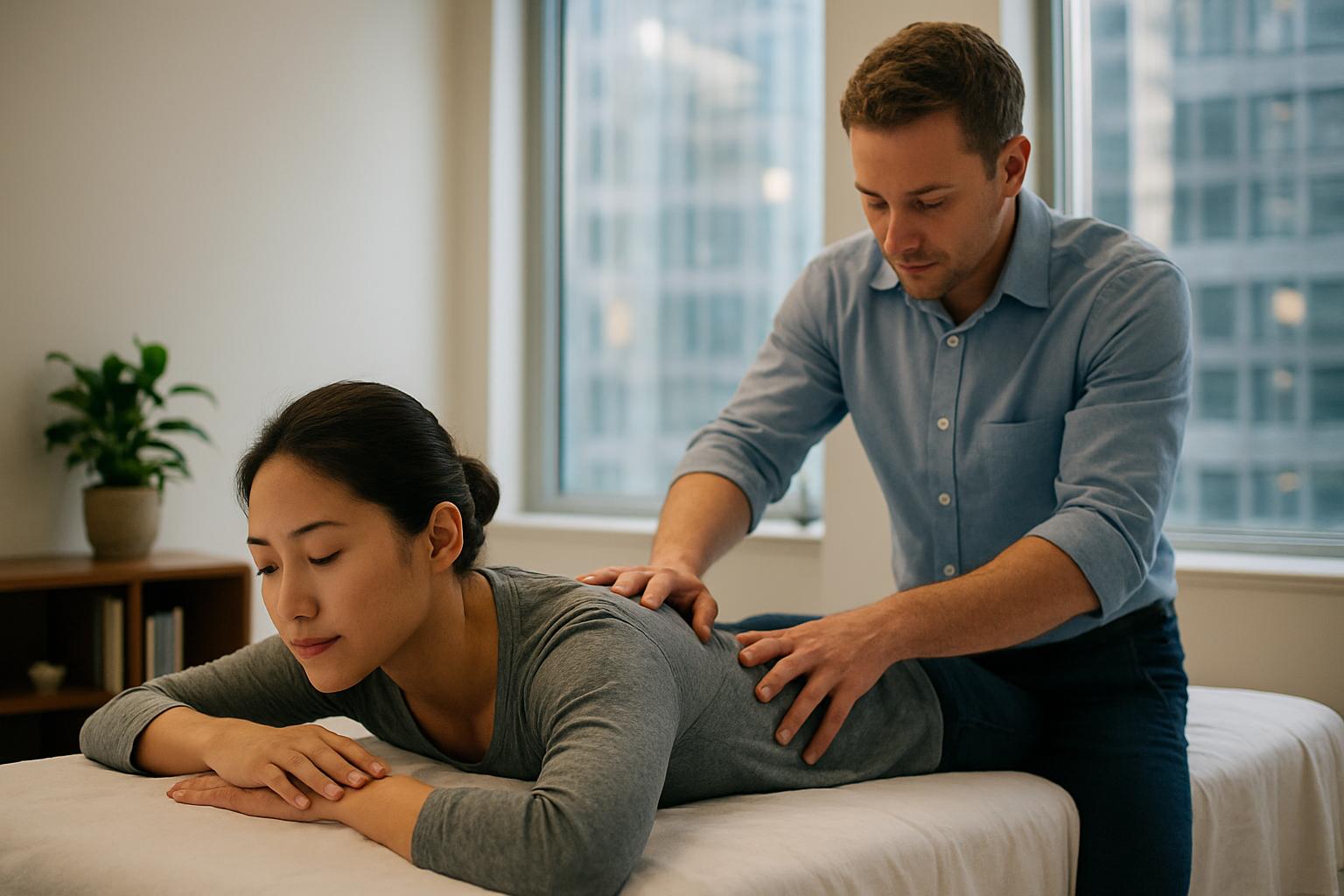
Getting the most from regular bodywork means tracking outcomes and communicating them. Keep a simple log: date, type of treatment, therapist, and results—sleep quality, pain levels, mobility changes. This record helps both you and the therapist refine future sessions. Upscale spas typically encourage this continuity and will work with you to design an effective cadence of care.
Consider pairing bodywork with lifestyle adjustments recommended by your therapist—stretching routines, hydration strategies, and ergonomic changes. A therapist who offers homework is invested in your long-term progress rather than selling a one-off experience, which is often the hallmark of a high-quality establishment.
Final Considerations Before You Book
In a city as large as New York, options abound. Prioritize what matters to you: therapist expertise, product philosophy (organic vs. clinically formulated), setting, or price. Book a single trial session with a clear goal—relief from a specific complaint or simply a deep relaxation—and use that visit as the basis for future choices. Good spas welcome that approach and are happy to help you build a plan.
Remember that upscale doesn’t mean pretentious; it means attentive service, clear boundaries, and consistent outcomes. When a place balances hospitality with professional care, your sessions become reliable contributors to your overall wellbeing rather than sporadic indulgences.
Conclusion
Choosing an upscale bodyrub in New York is about aligning your needs with a professional, licensed spa that offers targeted bodywork, transparent policies, and a thoughtfully designed environment; do your research, communicate clearly, and prioritize safety and outcomes to transform a single session into a sustainable part of your wellness routine.