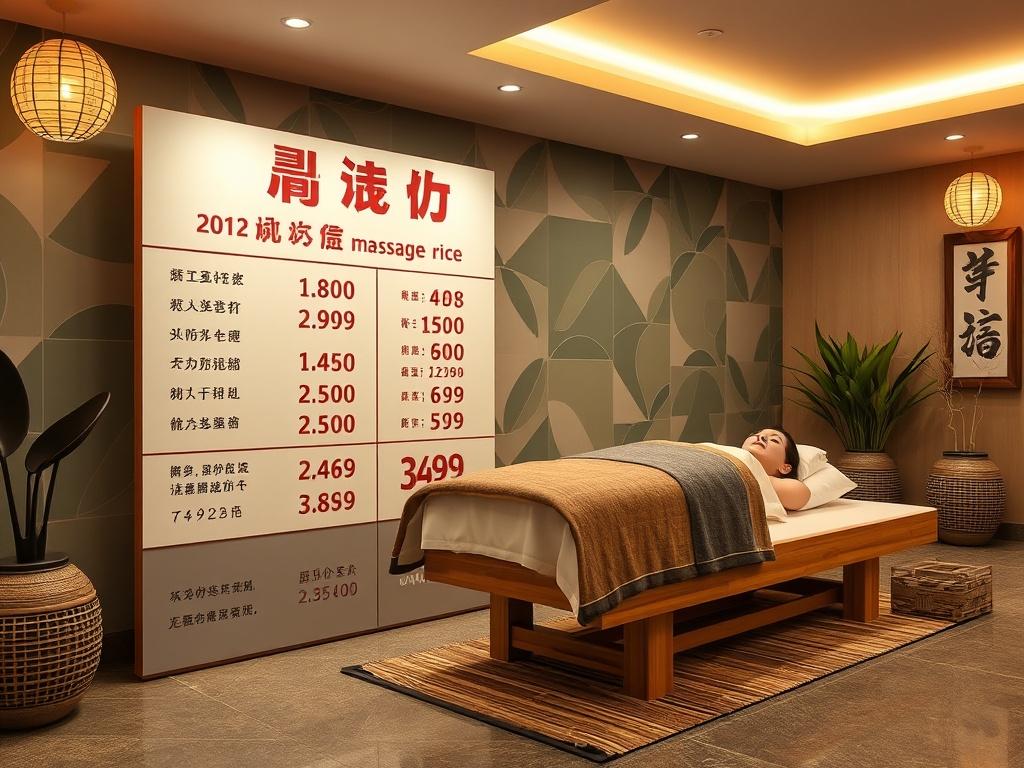

Understanding Japanese massage and what you’re paying for
When people search for «Japanese massage price,» they’re usually after more than a number — they want context. Japanese massage techniques, such as shiatsu and anma, are rooted in centuries-old traditions that combine acupressure, stretching, and a deep sense of body awareness. That background affects training requirements, the therapist’s expertise, and ultimately the cost.
Price reflects several components: the therapist’s credentials, the type and length of session, the setting (clinic, spa, or private studio), and local market conditions. An experienced shiatsu practitioner with advanced training will command higher fees than a newly certified therapist working in a shared space. Knowing what each factor contributes helps you decide where to spend more and where to save.
Major factors that influence Japanese massage price
Location is often the first price driver. Urban centers with higher rents and greater demand—Tokyo, New York, London—tend to have higher hourly rates. Outside those hubs, prices drop, sometimes significantly. The venue matters as well: a luxury spa includes overhead like decor, staff, and amenities, and that gets folded into your bill.
Another factor is specialization. Shiatsu, which applies focused thumb pressure to meridian points, may require different training and insurance than a general relaxational massage. Practitioners who incorporate rehabilitative techniques, sports therapy, or medical referrals typically charge more because their work addresses specific health concerns and often requires ongoing sessions.
Typical price ranges by type and session length
Below is a general guide to Japanese massage prices. These ranges are illustrative and vary by country and city, but they’ll give you a realistic starting point for comparison shopping.
| Type of Japanese Massage | 30 minutes | 60 minutes | 90 minutes |
|---|---|---|---|
| Anma (traditional Japanese massage) | $30–$60 | $60–$120 | $90–$180 |
| Shiatsu (acupressure-based) | $35–$70 | $70–$140 | $105–$210 |
| Japanese-style relaxation massage (spa) | $40–$75 | $75–$150 | $110–$220 |
| Clinical/therapeutic shiatsu (rehab-focused) | $40–$80 | $80–$160 | $120–$240 |
Keep in mind that introductory offers, package discounts, and membership programs can reduce the per-session cost considerably. Conversely, last-minute bookings or mobile visits to your home may add surcharges.
Comparing spas, clinics, and private practitioners
If you’re choosing where to go, it helps to know what each setting typically provides. Spa treatments emphasize ambiance, bundled amenities (sauna, robes, refreshments), and a menu of services. Spas often hire therapists with broader training in Swedish and deep-tissue work as well as Japanese techniques. Expect higher base prices but also a more pampering experience.
Clinics and medical-style practices lean toward therapeutic outcomes. They might accept referrals for chronic pain, postural correction, or rehabilitation. Prices can be similar to or higher than spas, depending on the practitioner’s credentials and the length of treatment. Private practitioners working from a small studio or home office often offer the best value if you prioritize the therapist’s touch over fancy surroundings.
How to evaluate whether a price is fair
Price alone doesn’t tell you the whole story. Ask about the therapist’s training, years of experience, and any specialties. Certifications from recognized shiatsu or massage therapy organizations indicate formal study. A simple phone call or read-through of a therapist’s website will reveal whether they focus on relaxation or clinical outcomes.
Also consider what’s included. Does the session include a consultation, posture assessment, stretches, or aftercare advice? Are linens, hot towels, or aromatherapy baked into the fee? These extras can justify a higher charge and improve your overall value.
Negotiating price, packages, and discounts
Many practitioners offer sliding scales, package deals, or reduced rates for students and seniors. Buying multiple sessions up front typically reduces the per-visit cost and supports continuity of care. Clinics treating chronic conditions often recommend a course of treatment; packages aligned with that plan can be both affordable and effective.
If the sticker shock is real, try booking a shorter initial session to evaluate the therapist’s approach. You can also request a recommendation for slower-paced sessions or ask whether combined techniques (shorter hands-on time with home exercises) can lower the bill without sacrificing results.
Etiquette, tipping, and payment norms
Tipping norms vary widely by country and by practice. In Japan, tipping is not customary and may even be refused; exemplary service is expected as part of the job. Outside Japan, many spas and clinics accept or expect tips—typically 10–20% in North America. Always check the business’s website or ask staff about their tipping policy to avoid awkwardness.
Payment methods also differ. High-end spas usually accept cards and contactless payments; small studios may be cash-preferred or use mobile payment apps. If you plan to use insurance or a health savings account, confirm in advance whether the therapist’s licensure meets your insurer’s requirements and whether the clinic can provide the necessary documentation.
How to find a quality Japanese massage practitioner
Begin with referrals from friends, healthcare providers, or community groups. Online reviews are useful but read them critically—look for consistent praise of technical skills and communication, not just the decor. Professional directories for shiatsu and massage therapy associations list credentialed practitioners and often include areas of specialty.
When you contact a potential therapist, ask direct questions: their training lineage, how they approach problem areas, how they measure progress, and whether they will tailor sessions. A good practitioner will welcome these questions and explain treatment plans without jargon.
What to expect during your first session
Most practitioners start with a brief intake: medical history, current symptoms, and goals. The session may include clothing-on techniques (common in shiatsu) or partial disrobing for oil-based work — therapists will explain and respect your comfort level. Expect focused pressure, guided stretches, and a concluding discussion about self-care or follow-up sessions.
After your first appointment, you may feel relaxed, slightly tired, or energized. If you experience unusual pain or prolonged soreness, tell your therapist. Adjustments to pressure, duration, or technique are normal and part of fine-tuning a therapeutic relationship.
Saving money while getting the most value
Look for package deals, off-peak discounts, or community clinics that offer reduced rates. Many schools that train Japanese massage techniques offer low-cost sessions supervised by experienced teachers; these are excellent options for high-quality care at lower cost. Subscribing to a studio’s newsletter can also reveal temporary promotions.
Another way to increase value is to combine in-person treatments with home care. Therapists often teach simple self-massage points, stretches, or heat-and-cold strategies that extend benefits between sessions and reduce the frequency of paid visits.
Common misconceptions about price and effectiveness
Higher price does not automatically mean better results. A skilled therapist whose style matches your needs is far more important than the venue’s prestige. Conversely, the cheapest option might lack proper training or appropriate insurance, which is a risk when seeking treatment for pain or injury.
Also, immediate relief doesn’t guarantee long-term benefit. Therapeutic progress may require an initial investment in several sessions to correct underlying issues. Think of price as part of an investment in health: short-term savings can lead to longer-term costs if problems recur without proper care.
Quick checklist before booking
- Confirm the therapist’s training and licensure for your region.
- Ask what is included in the session and whether the duration matches your needs.
- Compare prices across similar providers and watch for package deals.
- Check cancellation and late-arrival policies.
- Clarify tipping and payment methods ahead of time.
Conclusion
Japanese massage prices vary widely because they reflect differences in technique, training, setting, and local market conditions; weigh those factors against your goals, seek practitioners with appropriate credentials, consider package or clinic options to save money, and choose the environment and therapist whose approach best matches your needs for both relief and long-term benefit.