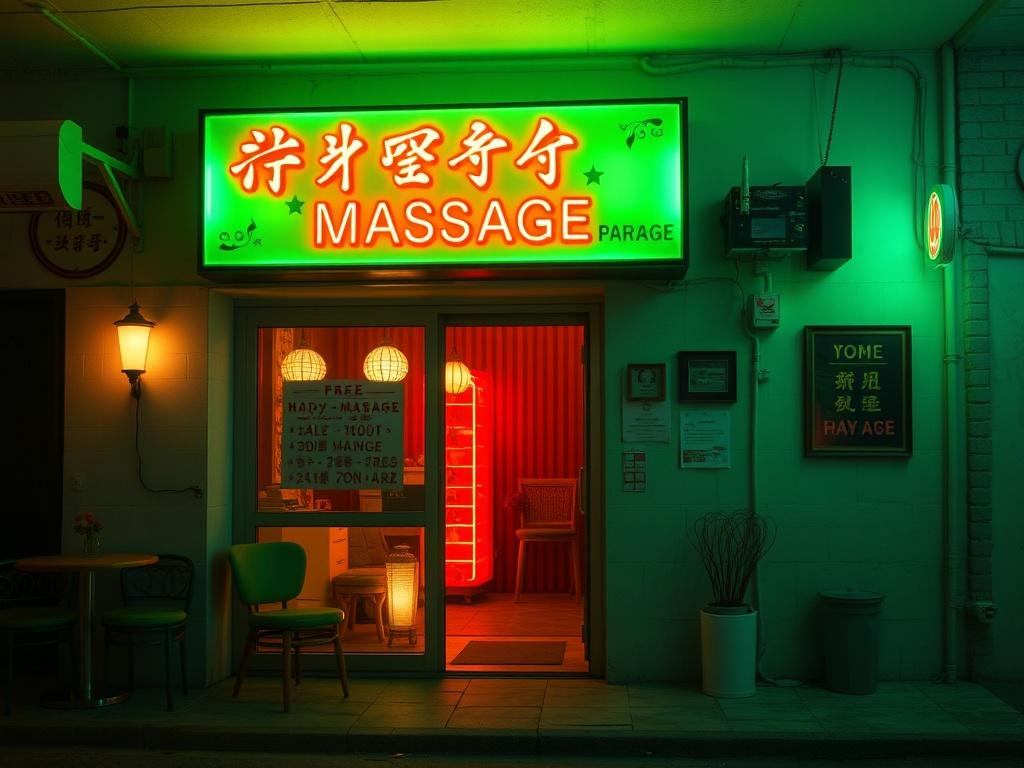

What people mean by «body rub parlours»

The phrase body rub parlours crops up in conversations, classified ads, and online searches because it’s a broad, catch-all term. At its simplest, it refers to businesses that offer hands-on treatments involving touch—anything from a basic back rub to a full-body therapeutic massage. The name can be used neutrally, but in some communities it also carries implications about services beyond conventional therapeutic care.
Understanding the range of what «body rub» might imply is important. In regulated settings, the touch will be delivered by a licensed practitioner for health, relaxation, or rehabilitation. In less transparent settings, it may indicate services that fall into legal gray areas or are explicitly sexual. That spectrum matters for safety, legality, and your expectations as a client.
Types of establishments and services
Not all places that offer body work are the same. They vary by their primary purpose, the training of staff, and how they present themselves publicly. Broadly, you can group them into therapeutic clinics, day spas, beauty salons with massage, and independent massage therapists. Then there are unlicensed or clandestine venues that advertise ambiguous services.
Below is a compact comparison to help you distinguish common categories:
| Type | Typical Purpose | Practitioners | Regulatory Status | Typical Setting |
|---|---|---|---|---|
| Licensed massage clinic | Pain relief, rehabilitation, stress reduction | Licensed massage therapists | Regulated; usually requires certification and inspections | Clinical treatment rooms, medical referrals |
| Spa / day retreat | Relaxation, wellness, beauty treatments | Licensed therapists or trained estheticians | Often regulated; health & safety standards apply | Calm, amenity-rich facilities |
| Small salon / beauty shop | Short massages, adjunct services (facials, waxing) | Varied—trained staff but credentials vary | Regulated for some services; massage rules may be looser | Retail or salon environment |
| Unregulated / illicit parlour | Ambiguous or sexual services | Unlicensed or informal workers | Often illegal or operating in legal grey zone | Discreet locations, minimal signage |
Legal and regulatory landscape
Laws surrounding body work differ dramatically by country, state, and even municipality. Many jurisdictions require massage therapists to be licensed, to complete set hours of training, and to pass an exam. Businesses that offer therapeutic services may need to register, follow health and sanitation codes, and display licenses visibly.
Conversely, some areas have looser rules or inconsistent enforcement. That creates a patchwork where a business in one neighborhood is clearly legal and in another it might be operating without required permits. If you’re unsure, check local government websites for licensing boards and searchable registries of practitioners.
Importantly, offering sexual services in exchange for money is illegal in many places. A reputable clinic will have a clear code of conduct and a written consent process; establishments that avoid clarity about their services or use coded language should raise questions about legality and safety.
Health, hygiene, and professional standards
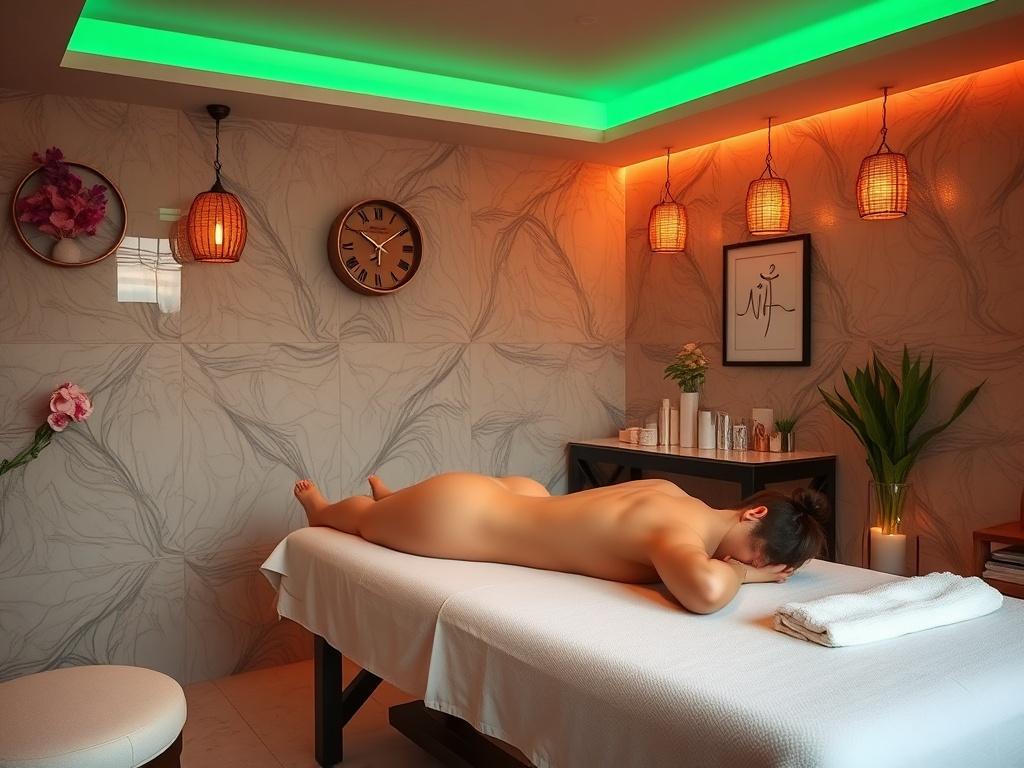
Professional bodywork follows basic infection-control principles: clean linens for each client, sanitized equipment, handwashing, and a clean treatment space. Licensed practitioners are typically trained in anatomy, contraindications, and how to adapt treatment when someone has a health condition.
Beyond cleanliness, ethical standards are central. That includes maintaining boundaries, obtaining informed consent, and documenting client health history. Many associations require continuing education so therapists stay current with best practices. If a facility cannot or will not answer simple questions about its hygiene protocols or staff training, consider that a red flag.
How to find reputable body rub parlours
Finding a reputable place takes a little research. Start with professional associations and licensing boards: they often provide lists of credentialed therapists and clinics. Health clinics, hospitals, and physiotherapy centers may also have referral lists for massage therapists with medical training.
Online reviews are helpful but not foolproof. Look for consistency across multiple platforms and pay attention to comments that mention cleanliness, professionalism, and whether the therapist addressed specific issues like back pain or mobility. Avoid places with many vague or sexually suggestive reviews—those might indicate services outside accepted professional standards.
When you contact a business, ask practical questions: Is the therapist licensed? What training do they have? Do they require a health history form? What is the cancellation policy? Reputable establishments will answer these plainly and without evasiveness.
Etiquette, consent, and boundaries
Clear communication makes any session more effective and safer. Before treatment begins, a licensed practitioner will usually take a brief history: areas of pain, injuries, allergies, and any medications. They should explain the proposed treatment plan and ask for your consent to proceed.
Boundaries are non-negotiable. You control what stays covered and what is exposed; a professional will provide proper draping and will not ask you to remove clothing beyond what is necessary for the treatment. If anything feels uncomfortable or inappropriate, you can stop the session at any time.
Tipping customs vary with culture and region. If you’re unsure, ask the front desk or check the establishment’s website. Cash tips are common in some regions; in others gratuity may be added to the bill. Being respectful and direct about your preferences—pressure level, pain tolerance, focus areas—usually results in a more positive outcome.
Safety tips for clients
A few practical precautions reduce risk and improve your experience. These apply whether you’re seeing a clinic-based therapist or a smaller salon.
- Verify credentials: ask to see a license or certificate and confirm it with the licensing body where possible.
- Read recent reviews from multiple sources, not just the facility’s own site.
- Book through official channels—avoid ambiguous ads that ask you to call a mobile number or meet in nonprofessional settings.
- Bring questions about health history; be honest about injuries or medications so the therapist can adapt the treatment.
- Trust your instincts: if a place feels unclean, staff are evasive, or you notice inappropriate behavior, leave and report it.
Here are common red flags to watch for when booking or arriving:
- Very low prices that seem too good to be true compared with local averages.
- Ambiguous or sexually suggestive language in ads or reviews.
- Lack of visible credentials or refusal to answer questions about training.
- Requests to meet in unconventional locations instead of a proper treatment room.
What to do if you encounter illegal or unsafe activity
If you witness or experience illegal activity—coercion, trafficking, or sexual services offered without consent—your safety is the immediate priority. Remove yourself from the situation, and contact local authorities if you feel safe doing so. Many regions offer hotlines for reporting suspected human trafficking or exploitation; check national and local resources for confidential reporting options.
For non-emergency concerns like unsanitary conditions or unlicensed practice, contact the local health department or the professional licensing board. Providing specific information—business name, location, dates and times, descriptions—helps investigators follow up effectively.
Pricing, booking, and what to expect during a session
Session length and prices vary widely depending on location, practitioner credentials, and service type. Typical appointments are 30, 60, or 90 minutes; 60 minutes is common for full-body work. Higher prices often reflect greater training, specialized techniques, or clinic overhead. Expect clear information about duration, price, and cancellation policy before you book.
Most sessions follow a basic flow: intake and health history, explanation of the treatment, the therapy itself, and brief aftercare guidance. Therapists should check comfort and pressure periodically. If you have medical concerns—recent surgery, blood clots, pregnancy—disclose these ahead of time; these conditions often require specific adaptations or referral to medical care.
Payment methods usually include cash, card, or online booking systems. Keep a record of receipts if you plan to claim insurance reimbursement, and ask the clinic whether they provide invoices with the therapist’s license number, which many insurers require.
Final thoughts before you go
Body rub parlours, as a phrase, covers a wide range of businesses. The differences between a clinical massage clinic and an unregulated parlour are significant, as are the implications for your health and legal safety. With a little research—checking credentials, reading varied reviews, and asking direct questions—you can find professional, ethical practitioners who offer effective and safe bodywork.
Conclusion
Approach any bodywork provider with informed questions and clear boundaries: verify licenses, prioritize cleanliness and consent, and trust your instincts; when in doubt, choose regulated clinics or practitioners who openly share their credentials and adhere to professional standards.