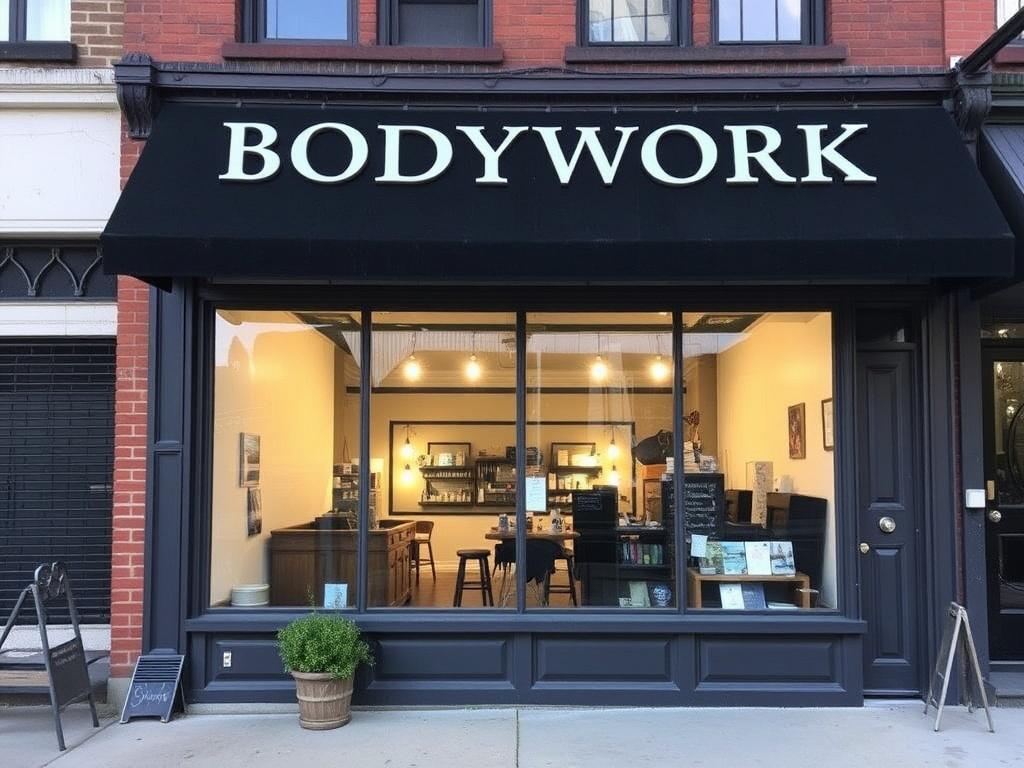

Brooklyn’s bodywork scene is a patchwork: a vintage brownstone studio offering deep-tissue sessions, a storefront space where craniosacral therapy and breathwork meet, and a bright wellness collective teaching Feldenkrais after hours. If you’re trying to decode what «bodywork» means here and where to go for relief, performance tuning, or simply to feel more at home in your body, this guide will help you sort options, understand techniques, and find an approach that fits your needs and schedule.
This article will walk through common modalities available across Brooklyn neighborhoods, explain what to expect during a session, offer practical tips for choosing a practitioner, and provide price and booking guidance so you leave feeling informed—not overwhelmed.
What «Bodywork» Really Covers
«Bodywork» is an umbrella term for hands-on therapies that manipulate soft tissue, joints, fascia, and the nervous system to affect pain, mobility, and overall regulation. It ranges from relaxing Swedish massage to more structural approaches like Rolfing (structural integration) and targeted techniques such as trigger-point therapy and myofascial release.
Beyond technique names, bodywork practices differ in intent: some prioritize symptom relief (pain, stiffness), others aim to change habitual patterns of holding and posture, and a few focus on nervous system regulation. Understanding the intent behind a modality helps you choose a practitioner whose goals line up with yours.
Common Types of Bodywork You’ll Find in Brooklyn
Massage Therapy (Swedish, Deep Tissue, Sports)
Massage is the most familiar form of bodywork. Swedish massage emphasizes long, flowing strokes to promote relaxation and circulation. Deep-tissue and sports massage use firmer pressure aimed at breaking down adhesions and improving function for athletes or people with chronic tension.
Licensed massage therapists (LMTs) often combine styles and tailor pressure to your tolerance. Ask about credentials and whether the therapist uses oil, lotion, cupping, or adjunct tools like massage guns to achieve results.
Myofascial Release and Trigger-Point Work
Fascia is a web of connective tissue that surrounds muscles and organs. Myofascial release focuses on easing restrictions in that web through sustained pressure and gentle stretching. Trigger-point therapy targets hyperirritable spots in muscle that refer pain elsewhere.
These approaches are subtle and can be slow-build therapies; a single session may feel like progress or simply a reset that requires follow-up sessions to reinforce gains.
Rolfing / Structural Integration
Rolfing aims to reorganize the body’s structure by working with fascia to improve posture and alignment. Sessions tend to be intense and are often delivered as a series, each with a clear structural focus.
If you’re seeking long-term change in posture or chronic alignment problems, Rolfing or structural integration can be worth the commitment. It demands communication; you should be prepared for detailed intake and feedback during sessions.
Craniosacral, Somatic, and Nervous-System Work
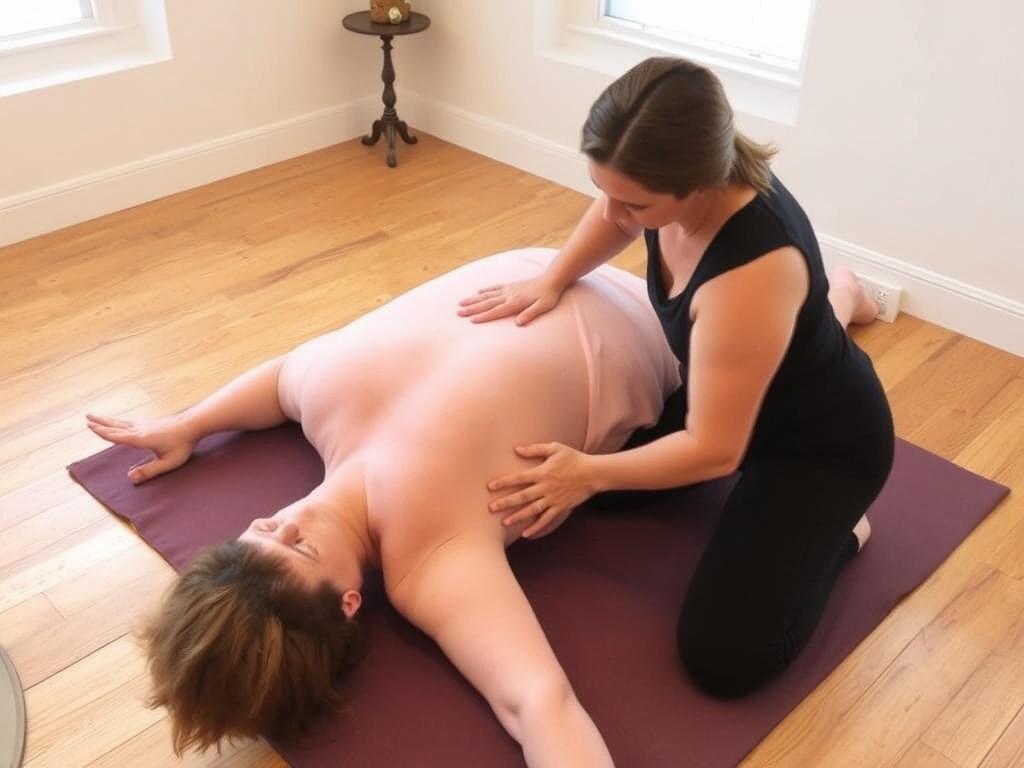
These techniques emphasize the nervous system and rhythm rather than pressure. Craniosacral therapy uses very light touch to influence fluid dynamics and nervous-system tone; somatic practices may include movement education and breathwork.
Expect a calmer, gentler session where the practitioner watches your nervous system responses. Benefits often include improved sleep, less reactivity to stress, and subtle shifts in chronic pain.
How to Choose a Bodyworker in Brooklyn
Selecting a practitioner is practical and personal. Certification and licensing matter, but so do communication style and studio vibe. Start with these screening points to narrow your search.
- Credentials and continuing education: Check for LMT, certified structural integration practitioner, or specific training in modalities you want.
- Insurance and scope: Some practitioners operate within a scope similar to physical therapists; ask whether they collaborate with doctors or accept any insurance.
- Intake and assessment: Good practitioners ask about medical history, current symptoms, and goals before starting hands-on work.
- Studio environment: Consider location, cleanliness, draping policies, and whether you prefer music or silence during a session.
- Reviews and referrals: Neighborhood community boards and word-of-mouth are useful; pay attention to comments about communication and aftercare.
Don’t hesitate to call and ask specific questions before booking. A brief conversation will tell you a lot about how the practitioner listens and whether their style fits your expectations.
What to Expect During a Session
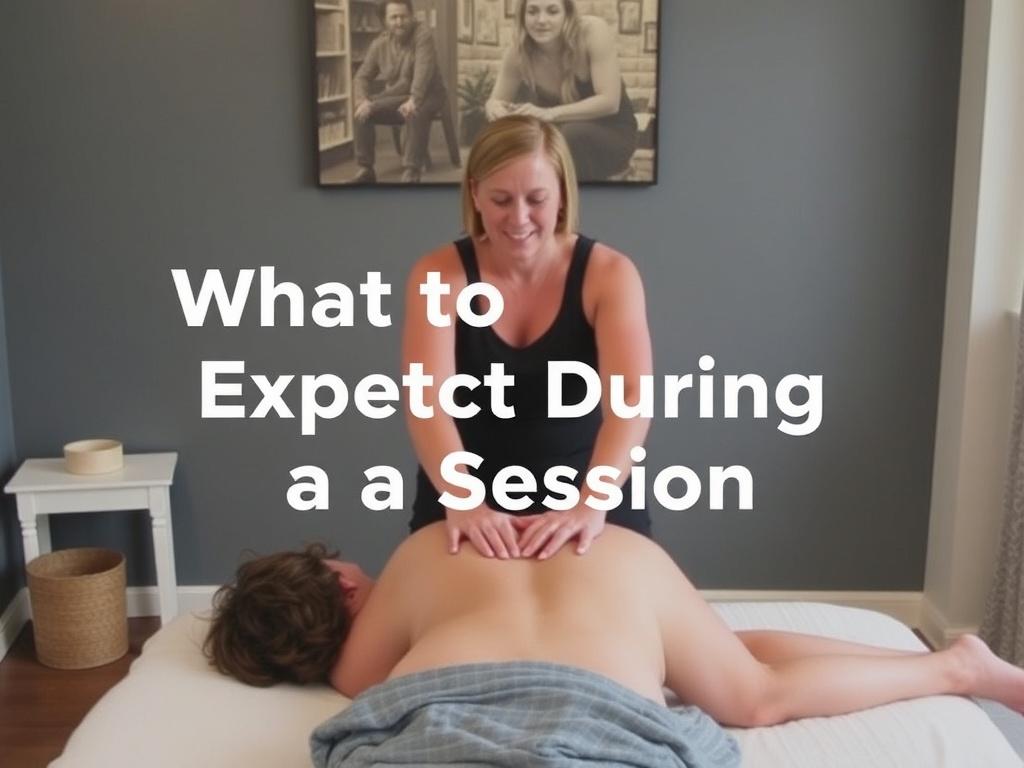
A typical session starts with intake: pain history, current medications, recent surgeries, and what you hope to address. Be honest; that information guides pressure, contraindications, and scope of practice.
Draping and comfort are standard: you’ll remain covered except for the area being worked on, and therapists should ask for permission before changing approach or pressure. Sessions can be quiet or conversational—pick a practitioner who matches your preference.
Aftercare often includes hydration, simple stretching, or movement suggestions. If your body responds with soreness or fatigue, that’s usually normal; persistent or worsening symptoms should prompt a follow-up conversation with your therapist or a check-in with your primary care clinician.
Costs, Insurance, and Booking Tips
Prices in Brooklyn vary widely by modality, practitioner experience, and neighborhood. Here’s a snapshot to help you budget and compare offers.
| Modality | Typical Session Length | Typical Price Range (Brooklyn) |
|---|---|---|
| Swedish / Relaxation Massage | 60–90 minutes | $80–$150 |
| Deep Tissue / Sports Massage | 60–90 minutes | $90–$160 |
| Myofascial Release / Trigger-Point | 60–90 minutes | $100–$180 |
| Rolfing / Structural Integration | 60–90 minutes (series recommended) | $120–$220 |
| Craniosacral / Somatic Work | 45–75 minutes | $90–$170 |
Booking tips: look for introductory rates, package discounts, or sliding-scale options if cost is a concern. Some practitioners offer late-afternoon or weekday specials. Ask whether they have a cancellation policy or require deposits and what their policy is for rescheduling.
Neighborhoods and Studio Types: Where to Look

Different Brooklyn neighborhoods tend to cultivate certain vibes. Williamsburg and Greenpoint have boutique studios that blend bodywork with wellness classes. Park Slope often features family-friendly clinics and practitioners who balance clinical work with holistic approaches. DUMBO and Brooklyn Heights skew toward professional wellness collectives with higher price points and curated services.
Don’t base your choice solely on neighborhood. A quieter, slightly farther studio can be worth the commute if the practitioner offers the technique and communication style you need. Use neighborhood as a shorthand for style and price, not a strict rule.
Maintain Results Between Sessions: DIY Bodywork
Bodywork is most effective when supported by everyday habits. Between appointments, simple practices help maintain mobility and reduce pain flare-ups.
- Foam rolling and gentle myofascial self-release for 5–10 minutes daily.
- Short mobility sequences for hips, shoulders, and thoracic spine—two or three times a day if you sit a lot.
- Breathwork and short mindfulness breaks to down-regulate the nervous system.
- Hydration, sleep, and anti-inflammatory nutrition to support tissue recovery.
Keep a short journal of how your body responds to sessions and at-home work. Patterns in pain, posture, or energy will help you and your practitioner fine-tune the plan.
Questions to Ask Before Your First Appointment
Prepare a short list of questions so you can assess fit quickly. Useful questions include: What certifications and training do you have? How do you approach pain that’s persistent or worsening? What should I expect after the first session? Do you recommend a treatment plan or a one-off session?
Practitioners who answer clearly and listen to your goals are likely to provide a better experience. Trust your instincts: if a practitioner rushes intake or pushes high-pressure techniques without consent, consider other options.
Conclusion
Finding the right bodywork in Brooklyn means matching your goals to a modality, confirming credentials and communication style, and testing a practitioner with clear expectations. Whether you want relaxation, structural change, or nervous-system regulation, the borough’s variety lets you try different approaches until you find one that fits—just bring curiosity, a few honest answers about your history, and an openness to small, steady progress.