
What hot Thai massage means
Hot Thai massage blends the rhythmic, joint-mobilizing work of traditional Thai bodywork with applied heat—usually in the form of warmed herbal compresses or heated stones. Instead of relying solely on deep stretches and sustained pressure, a practitioner alternates pressing and stretching with bursts of warmth that soothe tight muscles and encourage circulation.
The technique draws on centuries of Southeast Asian healing traditions. Heat amplifies the effects of manual therapy by relaxing muscle fibers and opening superficial blood vessels, allowing the body to respond more readily to the therapist’s movements. In many spas you’ll find this offered as a signature «hot» version of Thai massage, and its popularity comes from that combined feeling of firmness and gentle melting.
Core techniques used in hot Thai massage
A session typically uses a few distinct methods: acupressure along energy lines (sen), assisted yoga-style stretches, and the application of warmth through herbal compresses or stones. The compresses—made from aromatic herbs wrapped in cloth and steamed—are pressed along muscles and joints to release tension and impart herbal benefits.
Practitioners also perform rhythmic rocking and palm or elbow pressure. When heat is present, those techniques feel different: the therapist can work slightly deeper without causing excessive discomfort because the heat reduces muscle resistance. This combination makes hot Thai massage a uniquely dynamic experience—both restorative and active.
- Herbal compress (luk pra kob): steamed, fragrant, used for direct heat and herbal transfer.
- Hot stones: smooth basalt stones that retain warmth for prolonged contact.
- Assisted stretching: openings for ligaments and fascia while heat eases movement.
- Acupressure and palm/elbow techniques: targeted release along energy lines.
Benefits for body and mind
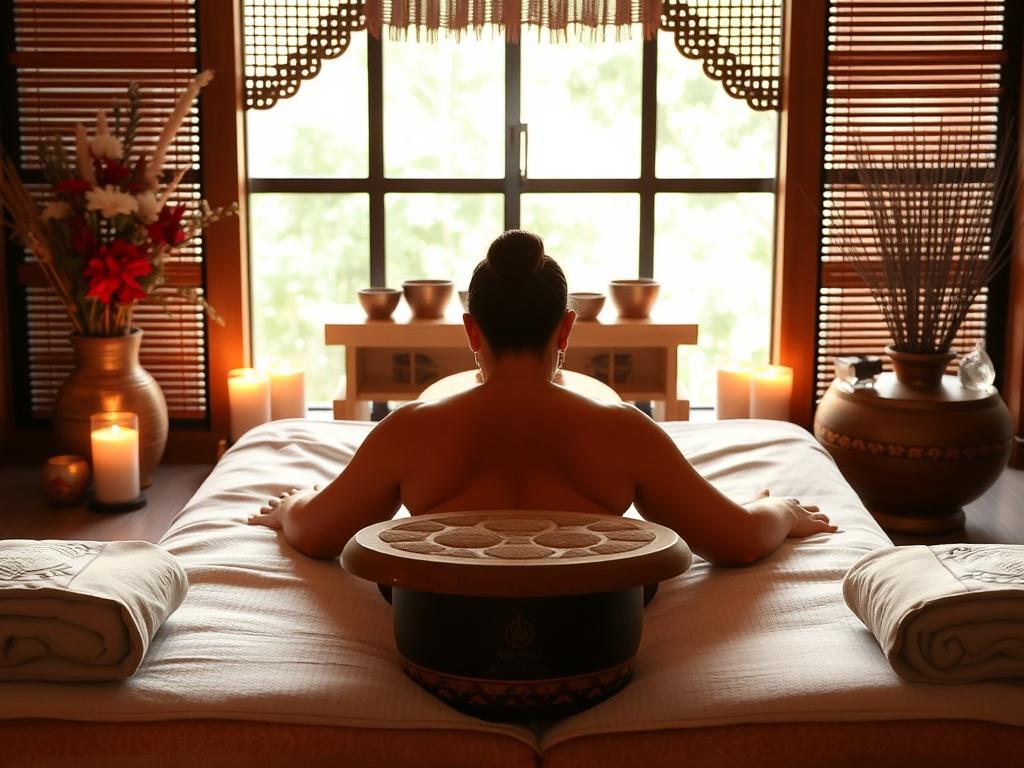
Physically, hot Thai massage improves flexibility, reduces muscle stiffness, and increases local circulation. Heat loosens tight fascia and allows the therapist to lengthen tissues with less resistance, often producing a noticeable improvement in range of motion after a single session.
Mentally, the warmth and rhythmic tempo help reduce stress and promote relaxation. The scent of herbal compresses—typically containing ingredients like lemongrass, turmeric, ginger, and kaffir lime—can have calming effects on the nervous system. Many clients report better sleep and a lingering sense of physical ease for days afterward.
- Enhanced flexibility and joint mobility
- Reduced muscle pain and spasms
- Improved circulation and lymphatic drainage
- Stress reduction and improved sleep quality
- Herbal anti-inflammatory and warming effects
Hot Thai vs. traditional Thai and other warmed therapies
Although terms overlap in spa menus, there are important distinctions. Traditional Thai massage is performed on a mat with firm, rhythmic pressure and active stretching, usually without oils or direct heat. Hot Thai adds a thermal element—often via compresses or heated stones—enhancing tissue pliability and comfort.
Compared with hot stone massage, which focuses mainly on long, smooth strokes using heated stones and oil, hot Thai massage maintains the dynamic stretching and acupressure characteristics of Thai bodywork. Herbal compress therapy, while sometimes offered standalone, is a principal heat source in many hot Thai sessions and brings botanical benefits absent in plain hot stone work.
| Modality | Primary Elements | Best For | Typical Setting |
|---|---|---|---|
| Traditional Thai Massage | Stretching, acupressure, mat-based | Flexibility, joint mobility | Mat, clothed, no oils |
| Hot Thai Massage | Heat (compress/stones), stretching, acupressure | Muscle relaxation, circulation, deeper release | Mat or table, compresses/stones, clothed or oil |
| Herbal Compress Therapy | Steamed herb bundles, topical heat | Inflammation, localized pain relief | Often combined with massage |
| Hot Stone Massage | Heated stones, long oil strokes | Deep relaxation, muscle tension | Table, oils, stones only |
Safety considerations and who should avoid it
Heat amplifies both benefit and risk. People with certain conditions should avoid hot Thai massage or consult a medical professional first. These include pregnancy (especially the first trimester), uncontrolled hypertension, deep vein thrombosis, severe varicose veins, diabetes with neuropathy, recent fractures or surgeries, and open skin wounds.
Skin sensitivity and circulatory disorders merit caution. Herbal compresses can be hot—testing temperature is essential—and the herbs themselves can cause allergic reactions. A reputable practitioner will ask about medical history and adapt pressure, temperature, and technique accordingly.
- Consult a physician if you have cardiovascular disease or clotting disorders.
- Inform the therapist of medications that affect circulation or sensation.
- Request lower temperatures if you have sensitive skin or neuropathy.
- Avoid aggressive stretching if you have acute injuries or inflammation.
What to expect during a session
Sessions often begin with a consultation to identify areas of tension, contraindications, and desired outcomes. You’ll typically be asked to wear loose, breathable clothing if the therapist works on a mat. If the session includes oil and hot stones, it may take place on a massage table with partial undressing and draping for modesty.
The first phase might involve gentle warming and rhythmic compression, followed by focused work with heated compresses along the back, shoulders, and legs. Stretching sequences are interwoven, using bodyweight and leverage to open hips, shoulders, and the spine. The session usually ends with quieter, soothing strokes to calm the nervous system.
How to choose a practitioner or spa
Look for therapists trained in authentic Thai techniques and specifically in hot or herbal compress therapies. Certification from recognized Thai massage schools or continuing education in thermal therapies is a positive sign. Reviews and word-of-mouth matter—real clients often mention whether a therapist is adept at balancing firmness with care.
Inspect cleanliness and ask about sterilization and heat protocols. Good spas will show how they prepare herbal compresses and maintain stone temperatures. Don’t hesitate to ask how long the therapist has practiced hot Thai massage and what they do to accommodate medical issues.
- Check credentials and specialized training in hot/thermal techniques.
- Read recent client reviews for safety and comfort feedback.
- Confirm hygiene practices and how compresses/stones are heated.
- Ask about session length, pressure levels, and customization options.
Preparing for a hot Thai massage and aftercare
Avoid heavy meals right before your session and arrive hydrated; heat increases circulation and you may feel warm afterward. Wear loose clothing to the spa if the treatment will be mat-based. If you have sensitive skin or allergies, reveal them ahead of time so the therapist can select appropriate herbs or skip fragrant components.
After the session, rest and drink water to help flush metabolic byproducts released during the massage. Gentle movement—walking or gentle stretching—helps sustain increased circulation and range of motion. If you experience soreness, apply cool compresses or take a mild over-the-counter analgesic according to your usual medical advice.
- Hydrate before and after the session.
- Avoid intense exercise for 24 hours post-treatment.
- Use gentle stretching to extend benefits.
- Monitor the skin for any reaction to herbs; contact the spa if irritation occurs.
Tips for getting the most from your session
Communicate your comfort level frequently. A skilled therapist will welcome feedback on pressure and temperature—don’t endure discomfort in silence. If you’re new to Thai bodywork, start with a shorter session or ask for a lighter pressure to build tolerance gradually.
Schedule sessions regularly for chronic issues rather than relying on a single appointment. The cumulative effect of consistent releases and improved mobility often outperforms sporadic treatments. Pairing hot Thai massage with complementary practices—yoga, targeted strength training, or physiotherapy—can produce more lasting change.
- Book a short introductory session if you’re new to Thai techniques.
- Tell the therapist about recent injuries or surgeries.
- Plan follow-up sessions based on your goals: pain relief, mobility, or relaxation.
- Combine with stretching and light exercise for maintenance.
Conclusion

Hot Thai massage offers a potent blend of dynamic stretches, acupressure, and therapeutic heat that can relieve tension, improve mobility, and promote relaxation when performed by a trained practitioner. Like all therapies that use heat and aggressive techniques, it requires careful screening and clear communication to ensure safety and effectiveness; when chosen and delivered thoughtfully, it can be a powerful addition to your wellness routine.