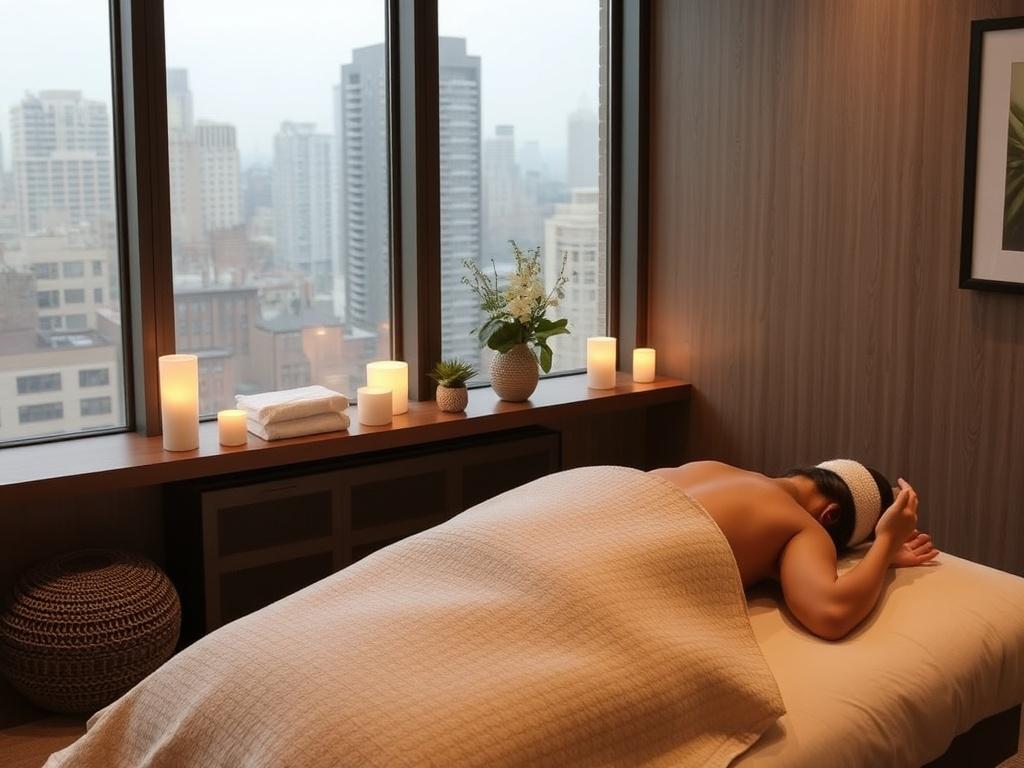

New York’s wellness scene is a mosaic of traditions from around the world. Among them, Japanese bodywork—especially shiatsu and anma—has quietly gained a devoted following. Whether you’re a runner trying to loosen tight hips, an office worker battling chronic neck tension, or simply curious about a different approach to relaxation, Japanese massage offers a distinct blend of pressure, rhythm, and body-mind logic that many New Yorkers value.
This guide explains what Japanese massage is, how it differs from Western approaches, where to look in the city, and practical tips for getting the most from a session.
What is Japanese Massage? An Overview
At its core, Japanese massage emphasizes precise pressure applied to the body’s energy pathways. The most widely known form, shiatsu, takes its name from the Japanese words for finger (shi) and pressure (atsu). Developed into a systematic therapy in the 20th century, shiatsu combines concepts from traditional East Asian medicine—such as meridians and qi—with anatomical understanding.
Another long-standing tradition is anma, older than modern shiatsu and often centered on kneading, rubbing, and joint mobilization. Anma historically influenced many Japanese manual therapies and remains part of the cultural fabric of Japanese massage. Both styles focus less on oil-based stroking and more on direct, targeted contact—often through clothing—making them distinct from Swedish or deep-tissue modalities.
Types of Japanese Bodywork You’ll Find in NYC
0
In New York you’ll encounter a range of Japanese-style treatments: classic shiatsu, reflexive anma, shiatsu blended with Western modalities, and hybrid sessions incorporating stretching or myofascial techniques. Studios and individual practitioners vary in emphasis—some lean toward traditional meridian work, others toward orthopedic-style releases.
Practitioners trained in Tokyo or accredited Japanese schools tend to preserve traditional protocols, such as working on a futon and using rhythmic, penetrating pressure. Many American-trained therapists adapt techniques for table work and combine them with familiar Western approaches to address modern aches and pains.
| Style | Primary Technique | Typical Setting | Best For |
|---|---|---|---|
| Shiatsu | Finger/thumb pressure on meridians; joint mobilization | Futon on floor or massage table; client usually clothed | Stress relief, chronic tension, balancing energy |
| Anma | Kneading, rubbing, tapping, light joint work | Table or chair; can be more vigorous | Muscle soreness, improved circulation, relaxation |
| Japanese-style Deep Tissue | Pressure-based release with deeper strokes | Massage table; often uses oil | Targeted pain, sports recovery, chronic knots |
What to Expect During a Session
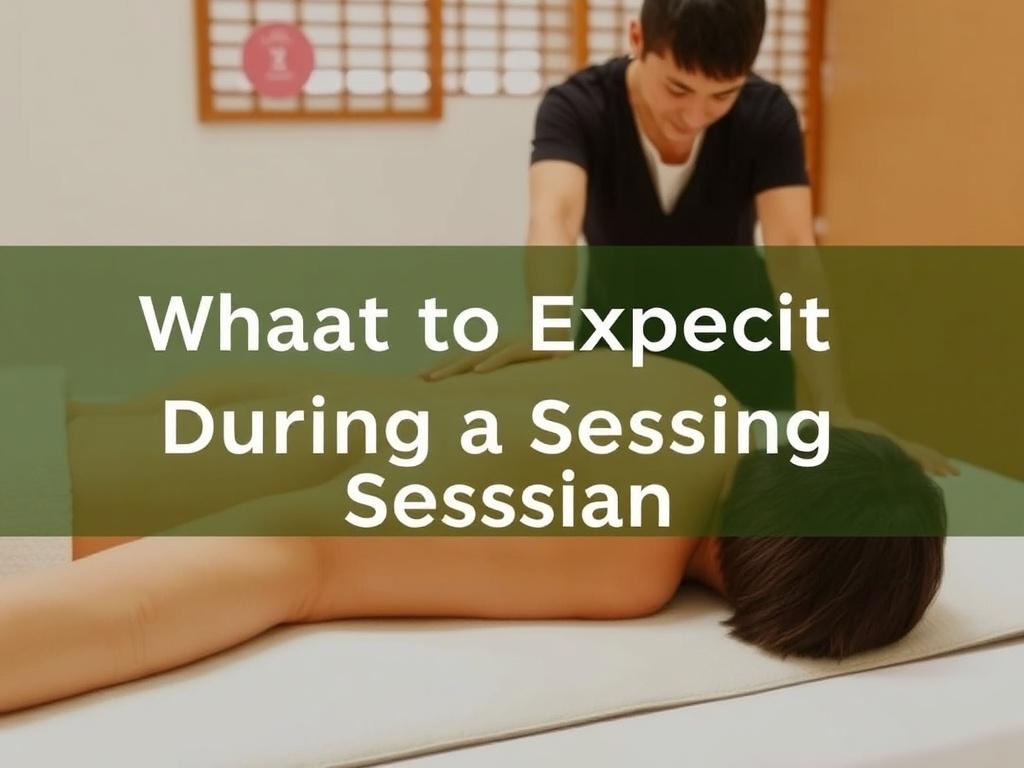
A typical appointment begins with a brief intake. Expect questions about your medical history, current complaints, and what you hope to achieve. This helps the practitioner choose pressure, focus areas, and whether certain techniques should be avoided.
Shiatsu is commonly performed with the client fully clothed. You’ll lie on a futon or sit on a chair; the therapist uses fingers, palms, forearms, and sometimes knees or elbows to apply steady pressure. Sessions vary from gentle and meditative to quite firm—so communicate your comfort level early and often.
Timing often ranges from 45 to 90 minutes. If you prefer oil-based or table-based work, some studios offer blended options that look and feel more like a traditional Swedish or deep-tissue massage but retain Japanese principles of pressure and meridian focus.
Benefits and Who Should Consider Japanese Massage
0
People seek Japanese massage for many reasons: relief from chronic muscle tension, improved range of motion, reduced stress, and a new way to address pain that hasn’t responded to conventional treatments. Shiatsu’s focus on meridian lines can also feel balancing—clients often report a sense of lightness or clearer breathing after a session.
That said, it’s not a one-size-fits-all remedy. Those with certain medical conditions—such as deep vein thrombosis, uncontrolled hypertension, or recent fractures—should consult their healthcare provider before booking. Pregnant clients should seek therapists with prenatal training, and anyone with implants or severe osteoporosis should discuss risks in advance.
How to Choose a Practitioner in New York City
Finding a skilled practitioner is the single most important factor in having a positive experience. Start by looking for clear information about training and experience. Many reputable therapists list certifications, apprenticeship details, or the schools where they trained. A practitioner who can explain their approach and tailor it to your needs is a good sign.
Use neighborhood and review platforms judiciously: reviews give useful context but can’t replace a direct conversation. When you call or message to book, ask specific questions about technique, session length, cancellation policy, and whether the treatment will be on a futon or table. Confirm language preferences if that’s important to you—some practitioners are bilingual and may offer a more culturally familiar experience.
Useful questions to ask before booking:
- What style of Japanese massage do you practice (shiatsu, anma, blended)?
- Do you work on a futon or massage table, and will I be clothed?
- How long is the session, and what will the intake cover?
- Are you trained to work with pregnancy, chronic pain, or post-surgical clients?
- What are your rates and cancellation policies?
Neighborhoods and Booking Tips
Japanese massage practitioners are scattered across the five boroughs: you’ll find established studios and small independent practices in Midtown, the East Village, Chelsea, and Brooklyn neighborhoods like Williamsburg and Park Slope. Smaller, quieter studios often reflect a more traditional approach, while larger spas may offer Japanese-style treatments alongside other modalities.
Booking tips for New York:
- Book at least a few days in advance for evenings and weekends; prime appointment times fill quickly.
- Expect a range of prices—independent therapists may be more affordable than luxury spas. Consider value in terms of practitioner experience, not just price.
- Tipping etiquette mirrors other massage services in NYC: 15–20% is customary if you received a table or futon session and the studio accepts tips.
At-Home and Mobile Options vs Studio Visits
Mobile therapists can bring shiatsu to your apartment, which appeals to busy professionals or people who prefer privacy. Home visits require a bit of preparation—a clear floor space for a futon, comfortable temperature, and an area for the practitioner to set up. Mobile sessions are convenient but can cost more due to travel time.
Studio visits offer a controlled environment: proper futons, ambient music, and tools for sanitation. If you value ceremony—the ritual of changing, a quiet waiting area, or a full consultation—a studio setting may enhance the experience. Decide which environment helps you relax most and choose accordingly.
Insurance, Certification, and Safety Considerations
Massage coverage varies widely by insurer and plan. Some clients use flexible spending accounts (FSAs) or health savings accounts (HSAs) if their plan or provider allows. Before assuming coverage, check with your insurer about eligible providers and required documentation.
Because regulations and certification pathways differ, focus on clear, verifiable training: ask where the practitioner trained, how many hours of practical experience they have, and whether they pursue continuing education. Good practitioners will welcome questions about safety, sanitation, and contraindications. If a therapist pressures you about techniques or dismisses medical concerns, look elsewhere.
Basic safety checklist:
- Practitioner discloses training and experience.
- Clean, professional space with clear hygiene policies.
- Pre-session intake that asks about medical history.
- Clear consent and a willingness to adjust pressure on request.
Keeping the Benefits Going Between Sessions
Japanese massage can set the stage for longer-term improvements, but follow-up self-care helps sustain results. Simple stretches, short mobility routines, and mindful breathing can preserve the gains from a session. Many practitioners send home short exercises or suggest small posture changes that make a big difference when practiced consistently.
Document the techniques or areas that felt most helpful and mention them at your next appointment. Over a series of sessions, a skilled therapist will refine the work, focusing on root causes rather than temporary relief.
Conclusion
Japanese massage in New York blends tradition with the city’s pragmatic wellness needs: precise pressure, attention to energy and structure, and a range of settings from intimate studios to in-home visits. By asking clear questions, checking a practitioner’s background, and choosing a format that fits your lifestyle, you can discover whether shiatsu, anma, or a hybrid approach provides the relief and balance you’re seeking.