

What “bodywork” means and why Manhattan residents seek it
Bodywork is an umbrella term for hands-on therapies that treat the body as an integrated system—muscles, fascia, joints, and the nervous system all communicate. In Manhattan those services range from classic therapeutic massage to structural integration, craniosacral therapy, and movement-based approaches. People come for relief from neck and back pain, recovery after sports or injury, postural improvement, stress reduction, and simply to feel more present in their bodies.
Living and working in a dense, high-activity environment like Manhattan often creates a steady stream of physical complaints—tight hips from long subway rides, neck strain from looking down at screens, or upper-back tension from commuting. Bodywork operates both as symptom relief and as a preventive practice: regular sessions can reduce flare-ups, improve mobility, and make daily movement less effortful.
Common types of bodywork you’ll find in Manhattan
The city’s practitioners tend to offer a broad menu of modalities. Studios and independent therapists often mix techniques, tailoring sessions to a client’s needs rather than sticking to a single boxed method. Knowing what each approach emphasizes will help you choose a therapist whose training matches your goals.
Below are some of the modalities most commonly available in Manhattan clinics and wellness centers.
Massage therapy: Swedish, deep tissue, and sports massage
Swedish massage is usually the gateway for many—gentle strokes, kneading, and effleurage designed to relax muscles and improve circulation. Deep tissue massage targets deeper layers of muscle and connective tissue to address chronic tension and old adhesions. Sports massage focuses on mobility, injury prevention, and performance enhancement, often incorporating stretching and movement-specific techniques.
Licensed massage therapists (LMTs) in Manhattan typically hold state certification and may bring specialized training for pregnancy massage, lymphatic drainage, or pre/post-event protocols. Many studios offer session lengths from 30 to 90 minutes; longer sessions allow more time for assessment and integrated techniques.
Structural integration and Rolfing
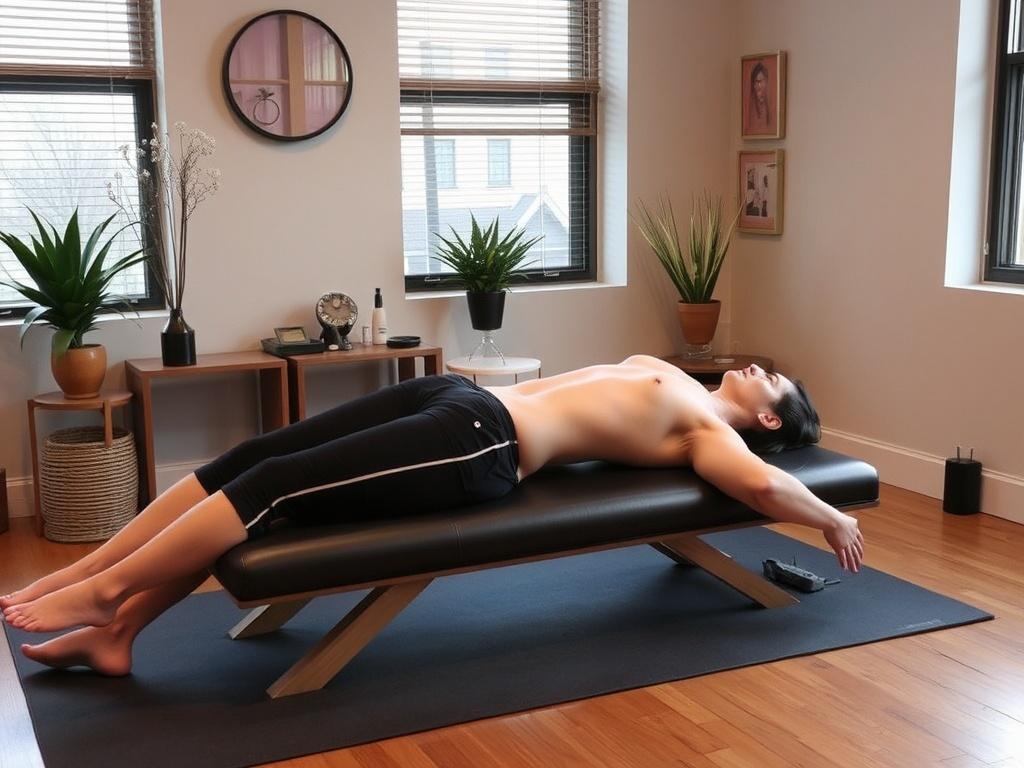
Structural integration (often known as Rolfing) works with the fascia and overall alignment rather than isolated muscles. Practitioners aim to reorganize the body’s structure so standing, walking, and movement require less effort. A classic Rolfing protocol usually involves a series of sessions, each building on the last.
Clients seeking long-term postural change or relief from recurring alignment-related pain often opt for structural integration. Expect deeper, sometimes intense work that focuses on long-term patterns rather than short-term relaxation.
Myofascial release and trigger point therapy
Myofascial release targets the connective tissue that binds muscles, bones, and organs. The therapist applies sustained pressure and gentle stretching to release restrictions. Trigger point therapy focuses on tight knots within muscles, using direct pressure and sometimes referred-pain mapping to break cycles of pain.
These approaches are used widely for headaches, shoulder pain, and conditions where manual therapy must get at adhesion and scarring. Many therapists combine these techniques with movement coaching to prevent recurrence.
Craniosacral therapy, acupuncture, and integrative options
Craniosacral therapy is a light-touch approach that aims to influence the cranial system and nervous system balance. It’s often chosen for chronic headaches, stress-related issues, or after-trauma recovery. In Manhattan you’ll also find integrative clinics that offer acupuncture alongside manual bodywork for a blended approach to pain and wellness.
Integrative options can be helpful when you need both symptom management (acupuncture for acute pain control) and structural work (manual therapy for mobility). Good practitioners will coordinate care and refer to physical therapists, chiropractors, or medical providers when needed.
How to choose a bodywork practitioner in Manhattan
Choosing a therapist is about fit: technique matters, but communication, assessment skills, and professional boundaries matter just as much. Start by clarifying your goal—immediate pain relief, postural change, stress reduction, or performance enhancement. That goal will narrow your search to therapists whose training aligns with the outcome you want.
Practical tips for vetting practitioners include checking state licensing and certifications, reading client reviews, and evaluating how a therapist describes their approach. Many Manhattan therapists offer brief phone consultations or intake forms; use these to ask about treatment frequency, session goals, and aftercare recommendations.
- Ask about training and continuing education.
- Request a brief intake before your first session.
- Look for therapists who explain risks and contraindications transparently.
- Choose a studio with clear hygiene policies and a comfortable environment.
What to expect during a first session
A thoughtful first session begins with an intake: medical history, current complaints, activity patterns, and goals. The therapist will perform a movement and posture assessment—this could be as simple as watching you stand and walk or as detailed as testing joint mobility and muscle strength.
Based on that assessment they’ll outline a treatment plan. Sessions typically blend hands-on techniques with guided movement, breathing cues, or home-care stretches. Expect the practitioner to explain what they’re doing and why; if you experience discomfort, speak up—good therapists adjust pressure and approach in real time.
Costs, insurance, and booking tips
Prices in Manhattan vary widely depending on location, practitioner credentials, and session length. As a rough guide, a 60-minute session can range from budget-friendly neighborhood studios to premium boutique spaces. Some insurance plans cover certain bodywork modalities when provided by or prescribed through a licensed medical provider—check your plan and get clarification before scheduling.
Booking strategies that save time and money: look for package deals for regular sessions, consider off-peak hours for lower rates, and avoid overpaying for trendy locations if the practitioner’s experience is modest. Many therapists offer sliding-scale fees or reduced rates for ongoing clients; ask if affordability is a concern.
Neighborhoods and studios: where to look

Manhattan has clusters of high-quality bodywork providers in hubs like the West Village, Chelsea, Midtown, and the Upper East Side. Each neighborhood has its flavor: downtown studios often emphasize holistic and integrative practices, while Midtown clinics may cater to office workers with short, targeted sessions for stress relief.
Smaller independent practices can offer more personalized care; larger wellness centers provide multidisciplinary teams. Use neighborhood search filters, read recent client reviews, and consider walkability from your home or office—frequent sessions are more likely to stick when the therapist is convenient to reach.
Benefits, limitations, and risk management
Benefits of regular bodywork can include reduced pain, improved range of motion, better posture, and a tangible decrease in daily tension. Many clients also report improved sleep and heightened body awareness—skills that translate into smarter movement and fewer injuries over time.
Limitations and risks exist. Not every condition responds to manual therapy; inflammatory, infectious, or certain structural pathologies require medical investigation. Side effects like temporary soreness, bruising, or lightheadedness can occur. A competent therapist screens for red flags—recent surgeries, anticoagulant use, or cancer history—and refers out when needed.
Quick checklist: how to prepare for your first session
- Wear comfortable clothing if you prefer not to undress fully; therapists can work through clothing for many techniques.
- Bring a concise list of medications, past surgeries, and current complaints.
- Note any specific goals: sleep, range of motion, pain reduction, or performance.
- Plan for quiet time after a session—fluid shifts and relaxation can make you feel tired.
Table: Comparing common bodywork modalities
| Technique | Primary focus | Typical session length | Best for |
|---|---|---|---|
| Swedish Massage | Relaxation, circulation | 30–90 minutes | General stress relief, light tension |
| Deep Tissue | Chronic muscle tension, adhesions | 60–90 minutes | Persistent stiffness, postural tension |
| Structural Integration / Rolfing | Fascial alignment, posture | 60–90 minutes; multiple-session series | Postural change, recurrent biomechanical pain |
| Myofascial Release | Connective tissue mobilization | 45–75 minutes | Scar tissue, restricted motion |
| Craniosacral | Nervous system regulation, gentle mobilization | 45–60 minutes | Headaches, stress, trauma recovery |
| Sports Massage | Performance, injury prevention | 30–90 minutes | Athletes, pre/post event recovery |
Questions to ask on the phone or during booking
Before committing to a session, a short conversation can save you from a mismatch. Ask about the therapist’s license and specific trainings, whether they have experience with your particular issue, and how many sessions they typically recommend. If you need a low-pressure environment or a practitioner who uses minimal oil or a particular pressure level, ask about their typical room setup and approach.
Also clarify cancellation policies, late-arrival rules, and any intake paperwork to complete in advance—Manhattan therapists often keep tight schedules, and transparency around logistics makes sessions run smoother for both sides.
Maintaining progress between sessions
Bodywork is most effective when combined with home practices. Small, consistent habits—short mobility routines, targeted stretches, and breath work—extend the benefits of in-session change. Many therapists give tailored exercises or recommend ergonomic adjustments for your workspace.
Tracking progress with simple measures—pain scales, range-of-motion photos, or functional goals like tieing shoes without discomfort—helps determine whether your plan needs adjustment. If improvement stalls, ask your practitioner about alternate techniques or referrals to allied professionals.
Conclusion

Finding quality bodywork in Manhattan is less about chasing a trend and more about matching technique, therapist skill, and accessibility to your personal goals; a thoughtful intake, clear communication, and sensible expectations will help you get the most from each session and turn sporadic relief into lasting movement and comfort.