
Looking for a four hands massage in NY? Whether you’re curious about trying the signature synchronized treatment or you want to find the best spas in Manhattan and Brooklyn, this guide will walk you through what the experience actually feels like, how to choose a provider, and what to expect from start to finish.
New York’s wellness scene is crowded with options, from boutique day spas to high‑end hotel sanctuaries. The four‑hand—or four‑hands—massage stands apart because two therapists work simultaneously on one body, creating layers of pressure and rhythm that a single practitioner cannot replicate. Read on to learn how to pick the right spa, plan your visit, and get the most from this indulgent but effective therapy.
What Is a Four Hands Massage?
A four hands massage uses two therapists staying in close coordination to treat one client. The therapists mirror or complement each other’s movements, often starting at opposite ends of the table and moving in tandem. The effect is a fuller sensory field: your nervous system receives twice the tactile input, which can deepen relaxation and make transitions between techniques feel seamless.
Sessions can blend modalities—Swedish strokes, deep tissue work, stretching, and acupressure—depending on the spa’s style and your needs. In some places the therapists follow a choreographed pattern to ensure symmetry; in others they communicate in real time to adapt pressure and focus. Either way, the goal is efficient, immersive coverage that reduces muscular tension and encourages a profound sense of ease.
Benefits of a Four‑Hand Treatment
0
There’s more to this treatment than novelty. A coordinated twin‑therapist session offers several practical advantages over a single‑therapist massage. It can shorten total session time while covering more body surface, intensify relaxation through bilateral sensory stimulation, and address multiple tension patterns simultaneously.
Physiological and psychological benefits often cited by clients include reduced muscle tightness, improved circulation, heightened mental relaxation, and faster dissipation of stress hormones. Many people report a feeling of “time dilation”—the sensation that the session passed quicker than expected—because the brain receives continuous, engaging input from both sides of the body.
- Enhanced relaxation through synchronized touch
- Broader coverage in shorter time
- Better balance of pressure and technique
- Effective for chronic tension when therapists coordinate styles
- Often feels more luxurious and restorative than a standard session
What to Expect at a New York Spa
New York spas vary in atmosphere—some are minimalist and quiet, others are lush and hotel‑level. Regardless of style, a reputable spa will begin with a brief consultation: expect questions about your health, pain points, and pressure preference. If you have a favorite type of touch or a specific area to address, mention it up front; coordination between therapists works best when everyone starts with the same brief.
When the session begins, you may notice a slight rehearsal as therapists warm up their hands and find synchronized rhythm. Many clients find the simultaneous strokes soothing, but a few people need a moment to acclimate. Therapists will check in during the massage, either verbally or with small nonverbal cues, to ensure comfort and adjust pressure. In most upscale NY spas, the room will be dim, linens clean, and music subtle—designed to enhance the immersive feel without distracting from the touch.
How to Choose a Four Hands Massage in NY
Choosing the right place in New York comes down to three things: therapist skill, communication, and setting. Start by reading recent reviews and looking for mentions of therapist pairing, session flow, and customer service. Photos are useful for getting a sense of ambiance, but don’t let aesthetics override testimonials about technique and professionalism.
Ask the spa directly about therapist pairing. Some places match two therapists who regularly work together and have practiced synchronization; others pair available therapists on the day. If you prefer a consistent team, look for spas that advertise regular four‑hand pairs or request specific therapists when booking.
- Check therapist credentials and years of experience
- Ask whether the therapists regularly work together
- Read reviews focusing on pressure, rhythm, and communication
- Confirm the spa’s sanitation and privacy policies
- Inquire about male/female therapist preferences if that matters to you
Typical Prices and Durations in New York
Prices in New York reflect the city’s market and the added labor of two therapists. While rates vary by neighborhood and spa caliber, you can expect higher pricing than a standard single‑therapist session. Below is a general guide to common durations and approximate price ranges you’ll find across the city.
| Duration | What’s Typical | Approximate Price Range (NYC) |
|---|---|---|
| 60 minutes | Focused back, neck, shoulders, and legs; brisk full‑body flow | $160–$260 |
| 90 minutes | Full‑body coverage with more time for specific problem areas | $220–$360 |
| 120 minutes | Deep, unrushed session with extra time for stretching and restorative work | $320–$520 |
Keep in mind these ranges are approximate. Luxury hotel spas and celebrity‑driven boutiques will charge at the top end; neighborhood wellness centers and smaller studios may be more moderate. Also ask whether gratuity is included and if there are additional amenities—saunas, lounges, or hydrotherapy—that affect the total cost.
Preparing for Your Session and Aftercare
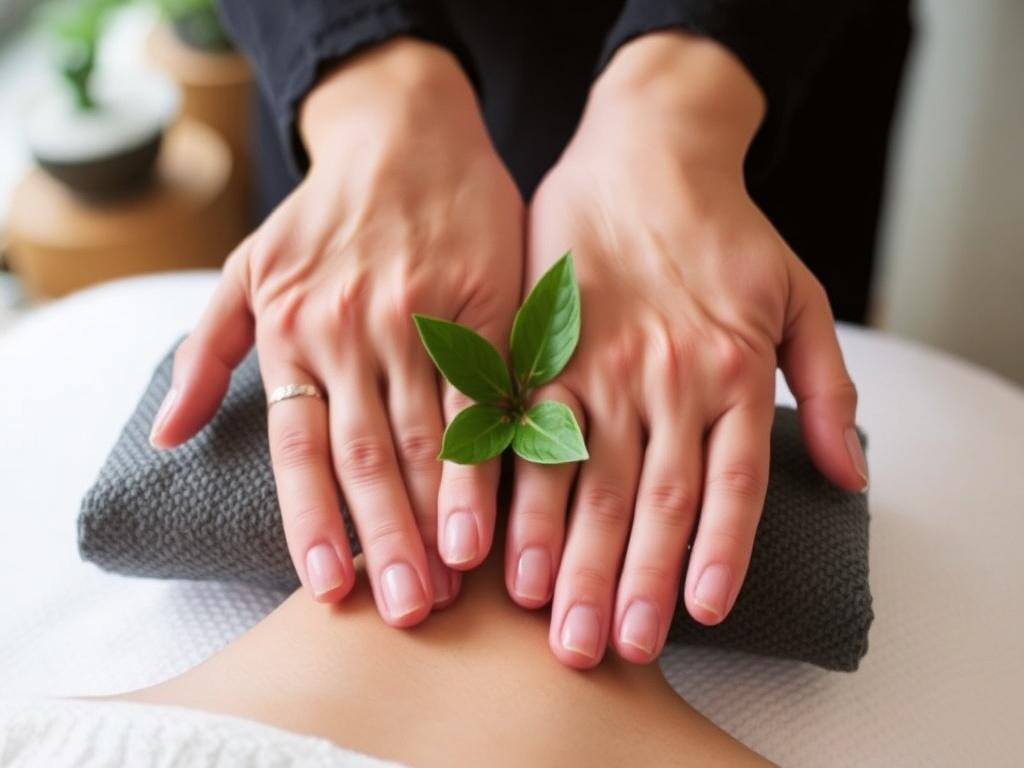
Preparation is simple but can improve your experience. Hydrate well in the hours leading up to the appointment; a hydrated body responds better to massage. Dress comfortably and arrive 10–15 minutes early to complete intake forms and settle in. If you’re prone to sensitive skin or allergies, check the spa’s oil and lotion lineup beforehand.
During the session, communicate your pressure preferences and any discomfort immediately. Because two therapists are working, small adjustments may feel amplified, so a brief comment at the start keeps everyone aligned. After the massage, take time to reorient: drinking water, stretching lightly, and resting for a bit can help your nervous system integrate the work.
- Hydrate before and after the session
- Eat a light meal—avoid heavy food right before
- Allow 10–20 minutes post‑session to sit quietly
- Use heat or cold as advised for any lingering soreness
- Book follow‑up treatments for chronic issues to build progress
Common Techniques and Styles Used
Therapists often combine disciplines in a four‑hand session. Swedish long strokes create flow; deep tissue targets adhesions and chronic knots; myofascial work releases connective tissue restrictions; and elements of Thai or sports massage can introduce stretching. The twin‑therapist format makes it easier to alternate between broad sweeping strokes and targeted pressure without losing continuity.
Another important factor is choreography. In some spas, therapists mirror each other exactly—left hand mirrored by left hand—producing symmetric sensations. In other settings they alternate focus—one therapist works deeply while the other uses light effleurage to soothe surrounding tissues. Both approaches have value; the choice depends on your goals and the therapists’ training.
Frequently Asked Questions
Is a four hands massage too intense? Not necessarily. Therapists adapt pressure based on your feedback. If you prefer gentle touch, ask for a relaxation‑oriented session; for athletic recovery, request deeper work.
Do the therapists coordinate with each other? Yes. Professional pairs will communicate either before or during the session to align techniques. Ask the spa whether regular pairs are used if coordination is important to you.
Is it worth the extra cost? Many clients find the intensified relaxation and efficiency worth the price, especially for special occasions or when time is limited. If cost is a concern, try a 60‑minute session first to decide.
What about privacy and modesty? Standard draping practices apply. Therapists will only uncover the areas being worked on and keep you properly covered at all times. If modesty is a strong concern, tell the intake staff—options can often be arranged.
Conclusion
A four‑hands massage in NY is an immersive, efficient way to access deeper relaxation and broader therapeutic coverage than a single‑therapist session; by choosing a reputable spa, communicating your needs, and allowing time for aftercare, you can gain significant relief from tension and a deeply restorative experience that highlights why New York’s wellness scene continues to innovate.